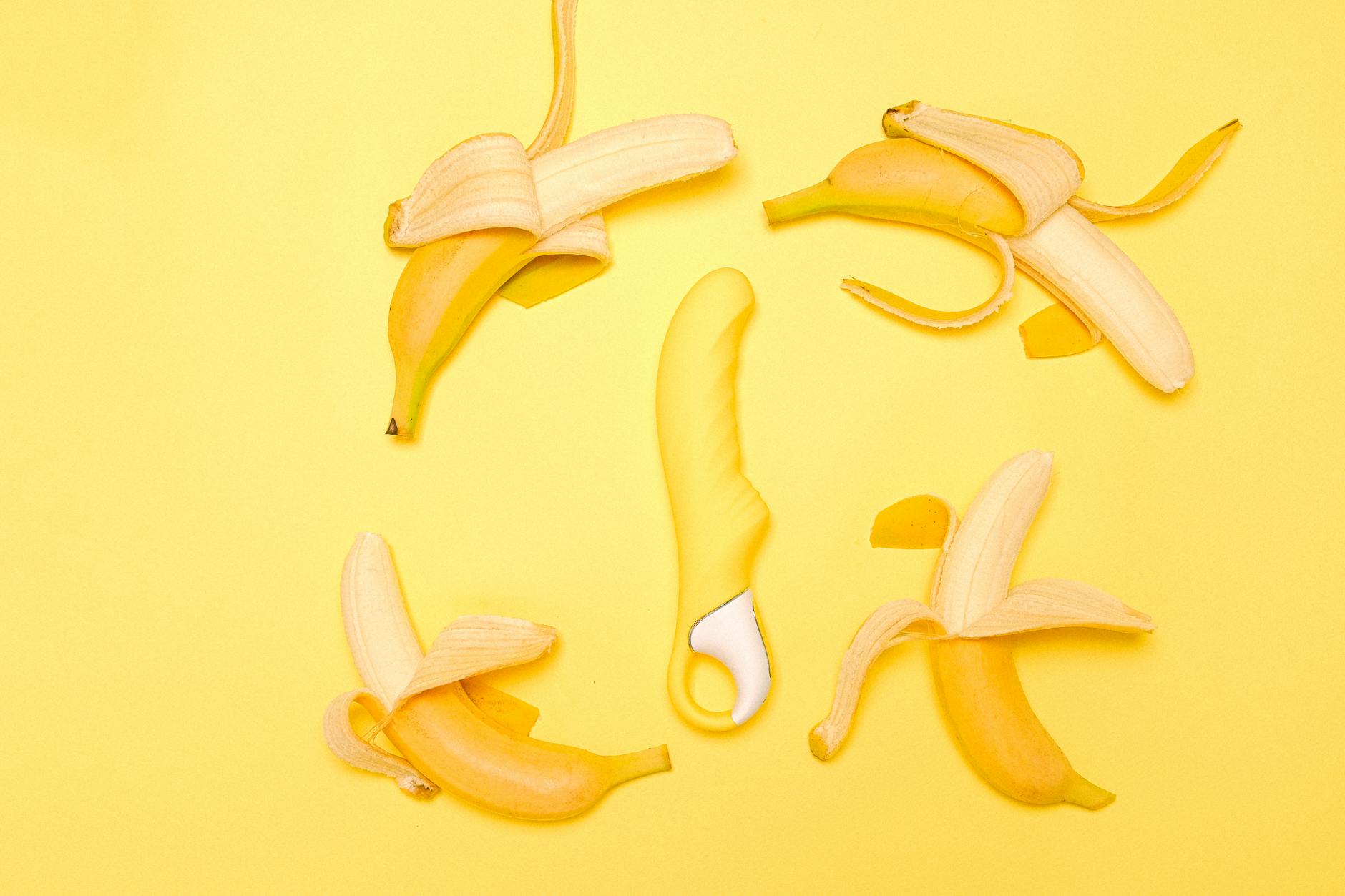
Let's talk about the medication nobody warns you about
Your doctor prescribed an SSRI for anxiety and it worked. Your blood pressure is finally stable on a new med. The antipsychotic actually steadied your mood. And now you can't orgasm, your libido evaporated, and touching yourself feels like touching someone else's arm. Nobody mentioned this trade-off at the pharmacy counter.
Here's the thing: medication side effects on arousal and sensation are real, common, and deeply under-discussed. Around 40-60% of people on SSRIs report sexual dysfunction. Beta-blockers and some blood pressure meds numb sensation in the genitals. Antipsychotics can crater dopamine, which drives desire. Your mental health improved. Your sex life didn't sign up for the collateral damage.
But this isn't permanent, and you have options. I'm going to walk you through what's actually happening in your body, why a lemon clitoral vibrator can help, and when to loop your doctor back in.
What medication does to arousal at the physical level
Different drugs hit different targets. SSRIs (sertraline, paroxetine, fluoxetine) slow serotonin reuptake, which is great for mood but bad for sexual response because serotonin dampens dopamine and norepinephrine—the neurochemicals that spark desire and sensation. It's not a bug in the drug. It's how the drug works.
Beta-blockers and some antihypertensives reduce blood flow, which is the literal foundation of arousal. You can't get erect or lubricated or feel much of anything if blood isn't flooding the genital tissues. Blood pressure meds that work via vasodilation help more than those that restrict it, but the damage is done for plenty of people.
Antipsychotics and some mood stabilizers raise prolactin or tank dopamine, killing both desire and the ability to orgasm. Antihistamines dry you out. The list goes on.
The cruel part: the medication is working. Your brain chemistry is more stable. Your body is paying the price.
Why sensation numbing feels different from simple low desire
Low desire is "I don't want to." Numbed sensation is "I want to but I can't feel it." They're different problems requiring different solutions.
When sensation is dampened, external stimulation—fingers, a partner, ordinary vibration—often doesn't generate enough sensation to build arousal or reach orgasm. It feels like you're trying to feel your way through static. Adding more pressure or speed doesn't help. The nerve endings are still there. The signal just isn't getting through at the same volume.
This is where clitoral vibrators like the Lemon (also called the lem vibrator) change the game. Air-suction technology—the hallmark of lemon sexual toys—stimulates nerves using subtle pressure waves rather than direct friction. For medication-numbed bodies, this means stronger sensation without the harshness that can feel overwhelming or cause pain.
How air-suction lemon vibrators penetrate numbness
The lem vibrator works via gentle suction that mimics oral sex. Instead of vibrating against tissue, it creates a seal and applies rhythmic pressure. Why does this matter when your body is numb?
Three reasons:
1. The suction creates broader nerve activation. Medication numbs sensation, but it doesn't destroy the nerves. Air-suction stimulates a wider area of nerve tissue at once, bypassing some of that dampened signal by sheer intensity of stimulus.
2. The rhythm is adjustable. Lemon clitoral vibrators typically have multiple patterns and intensity levels. You can start at pattern 1 and let your body wake up gradually, then move to stronger settings. This self-paced approach works when drugs have slowed your sexual response.
3. Suction feels fundamentally different. If friction-based vibration feels numb, suction activates different nerve fibers and sensory pathways. Changing the type of stimulation sometimes works when changing the intensity alone doesn't.
That doesn't mean lemon vibrators are magic. They're not a medication replacement. But they're a tool designed for this exact problem: when your body's baseline sensation is muted.
What to expect when you start: the slow reawakening
If you've been numb for months or years, your nervous system has adapted to that baseline. Sensation won't come roaring back in one session. You're retraining your brain to notice signal again.
Start with low patterns. Spend 15-25 minutes, even if nothing happens. Your goal isn't orgasm yet. It's noticing sensation. Does pattern 1 feel like anything? Anything at all? That's the win.
Use water-based lubricant. It amplifies sensation and reduces friction, which matters when your body isn't naturally lubricating well (another medication side effect). A thin layer helps.
Mind the plateau. You might feel sensation building, then it flatlines. Medication messes with the arousal curve. Instead of a smooth climb to orgasm, you get a climb, a plateau, maybe another climb. Don't assume the plateau means you should quit. Stay with it for another 5-10 minutes.
Repeat regularly. Sensation returns faster with consistent practice. Once or twice a week is a start. Your nervous system needs the stimulus to remember how to respond.
When to talk to your doctor (and how)
Do not stop taking your medication to fix sexual dysfunction. That's the wrong trade-off. But do tell your doctor what's happening.
Bring a specific timeline: "I started on [medication] six weeks ago and lost sensation and desire." Doctors hear "my libido is gone" all day. They may not know it's the drug until you connect the dots.
Ask about three options:
1. Timing adjustments. Some SSRIs hit harder at certain times of day. Taking your dose at night instead of morning might help. This is a quick, free experiment.
2. Dose reduction. Sometimes dropping to a lower effective dose helps. Not always possible, but worth asking.
3. Switching medications. Some SSRIs are less sexually suppressive than others. Sertraline and paroxetine are notorious for sexual side effects. Bupropion and mirtazapine actually improve sexual function. If you're on a high-offender med and struggling, ask about swapping.
4. Adding an antidote medication. Bupropion or buspirone are sometimes added to SSRIs specifically to counter sexual side effects. This is a real option. Ask.
Your doctor might push back. "Sexual dysfunction is less common than you think" or "just try harder." Push back back. It's common, it's real, and it matters. You don't deserve to feel numb in your own body to keep your mental health stable.
The emotional part (which is as real as the physical part)
Medication numbness is grief. You traded sexual pleasure for mental stability, and that's a rational decision. But your body doesn't care about rationality. It mourns the feeling.
If you have a partner, don't internalize this as low desire for them. It's not. It's your nervous system on medication. Separate those conversations. "I'm excited about us" and "I physically can't feel much right now" are both true. Confusing them leads nowhere.
Lone exploration—with a tool like a lemon vibrator—can actually help. It's lower-pressure than partnered sex, you can take time without anyone waiting, and sensation sometimes comes back faster in low-stress contexts.
Expect slow progress. Weeks, not days. Your brain is relearning a pathway the medication interrupted. That takes time.
People Also Ask
Can you use a lemon vibrator while taking an SSRI?
Yes, absolutely. The vibrator works on your nervous system's ability to register sensation. SSRIs work on brain chemistry. They're different systems. Using a lemon clitoral vibrator won't interfere with your medication or make it less effective. What it does is provide stronger sensory input to work around the dampening effect of the drug.
How long does it take to regain sensation after starting a lemon vibrator?
It varies wildly. Some people notice a difference in 2-3 weeks of regular use. Others take 8-12 weeks. Your body's relearning speed depends on how long you've been numb, how your nervous system processes sensation, and your overall stress level. Consistency matters more than intensity. Twice a week for 12 weeks beats once a month forever.
Will sensation come back if I stay on the medication that caused the problem?
Maybe. Your body can adapt and rewake even while on the medication, especially with consistent external stimulation. But full restoration sometimes requires adjusting your medication with your doctor's help. If it's been months and you're not noticing change, that's the conversation to have with your prescriber. Sensation shouldn't be the permanent price of mental health.
Is a lemon vibrator better than other vibrators for medication-related numbness?
For many people, yes. Air-suction lemon sexual toys stimulate nerves differently than friction-based vibrators. When your baseline sensation is muted, a different stimulus type often works better than more of the same. That said, not every body responds the same. Some people regain sensation faster with traditional vibration. The best tool is the one your body actually responds to.
Should I tell my partner I'm using a vibrator to deal with medication side effects?
If you're in a committed partnership, yes. Not as confession. As information. "My body's struggling with sensation right now because of the med. I'm exploring ways to wake it back up. This is about me rebuilding my own pleasure, not about you." Most partners appreciate the honesty and actually feel relieved it's not about attraction. This also opens space for them to support you without pressure.
Can I go back to normal vibrators once sensation returns?
Often, yes. As your nervous system rewakes and sensation improves, you'll probably notice that regular vibration starts feeling good again. Some people stick with lemon clitoral vibrators because they just prefer how suction feels. Others rotate tools depending on what their body needs that day. There's no rule. Listen to what generates pleasure right now.
The path forward
Medication numbness is not a personal failing. It's a side effect. Your body isn't broken. Your nervous system is temporarily dampened by chemistry that's also keeping you stable mentally.
Lemon vibrators, patience, and an honest conversation with your doctor create a path through this. Sensation can come back. Pleasure can return. It takes time and intention, but it's not impossible.
Start small. Use tools designed for this. Talk to your doctor. Be patient with your body's reawakening. You deserve to feel good on both sides of this equation.