Let's talk about what chemotherapy actually does to pleasure
Chemotherapy saves lives. It also changes your body in ways nobody prepares you for. Numbness in your fingers and toes. Skin sensitivity that makes normal touch feel raw. Fatigue that makes arousal feel impossible. And underneath all of that, a deeper shift: your own body feels foreign, and the idea of pleasure feels like something that happened to someone else.
I've worked with many cancer survivors navigating this territory, and here's what I know: rebuilding pleasure after chemotherapy is not about forcing yourself back into old patterns. It's about meeting your body where it actually is, with patience and the right tools.
What chemotherapy changes about sensation
Chemo damages nerve endings. That's the clinical reality. Peripheral neuropathy, the numbness and tingling that lingers months or years after treatment, affects sensitivity in ways that matter for pleasure. Your clitoris, vulva, and pelvic tissue may feel less responsive, more numb, or weirdly hypersensitive all at once.
Add to this the psychological layer: your body has been a site of medical invasion. Strangers have seen it, touched it, pumped toxins into it. Reclaiming pleasure means rebuilding trust in your own skin, which takes time that no amount of willpower can rush.
Then there's fatigue. Post-chemo exhaustion isn't the tiredness of a long day. It's a bone-deep exhaustion that can persist for years. Arousal requires energy and blood flow; fatigue steals both. Many survivors tell me that by the time they feel awake enough to think about sex, they're already depleted.
Why lemon vibrators work differently for post-chemo bodies
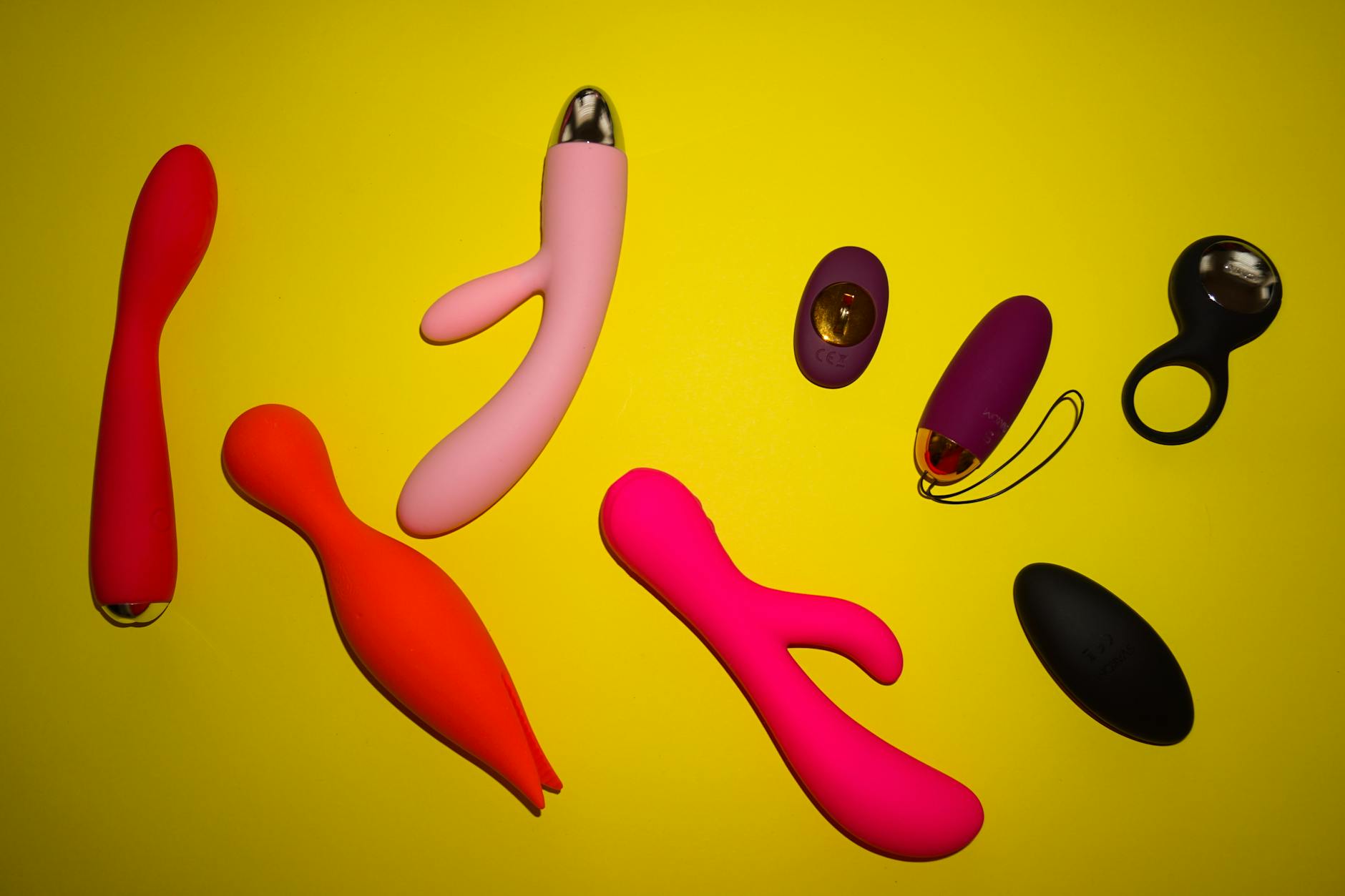
Here's the thing: you don't need intense sensation right now. You need strategic sensation. Lemon vibrators, with their suction-based technology, are designed to stimulate without requiring friction. That matters because chemo-damaged skin often can't tolerate the pressure of traditional vibration.
Suction also works on a different neural pathway than direct vibration. Instead of relying on numbed nerve endings, it engages the broader sensory system. Many survivors I've worked with report that suction feels noticeable and pleasurable when traditional vibration feels like nothing at all.
The clitoral vibrator's gentler intensity patterns also matter. You can start at the lowest setting and work up as your nervous system heals, which might take weeks or months. This isn't a failure. This is respect for what your body has been through.
Starting again when touch feels impossible
Begin alone. Not because partnered pleasure is off the table long-term, but because solo exploration removes the performance pressure. You're not managing anyone else's expectations. You're just learning your own body again.
Take a warm bath or shower first. Heat increases blood flow and can help wake up numbed tissue. It also signals to your nervous system that this is a safe, care-focused moment.
Start with the lemon vibrator on the lowest setting. You might feel almost nothing on the first try. That's fine. Try it on different days, at different times. Some days your body will respond more than others, and that's not something you can control or fix.
If direct clitoral contact feels too intense or uncomfortable, try stimulating the outer labia, the inner thighs, or even the lower belly. Your whole vulva is erogenous, not just the obvious center point. You're mapping new terrain.
The emotional work is as important as the physical
Rebuild pleasure after chemotherapy often means grieving the pleasure you had before. That's legitimate. Your body changed. Your relationship to touch changed. Acknowledging that loss doesn't mean you can't find new pleasure. It means you're being honest.
Many survivors also wrestle with guilt. Am I allowed to feel good when I spent months feeling terrible? Yes. Your body survived something extraordinary. Pleasure is not a luxury. It's evidence that you're healing.
If you have a partner, tell them what's happening. Not in a clinical way, but honestly: my body feels different, sensation is unpredictable, I need to go slow. The best partners respond with patience, and if yours doesn't, that's a separate conversation worth having.
Building back up takes longer than you think, and that's okay
Some survivors report pleasure returning in weeks. Others take a year or more. The timeline isn't about your effort or your desire. It's about how your nervous system heals, which is individual and non-linear.
Don't aim for the finish line. Aim for curiosity. Can I feel more today than yesterday? Does one setting feel better than another? Am I more relaxed this week? These small shifts matter. They prove your body is still capable of change.
If numbness persists beyond a few months, talk to your oncologist about integrative approaches. Some evidence suggests acupuncture, pelvic floor physical therapy, and certain supplements can support nerve recovery. A good oncology team will take pleasure seriously as part of overall health.
When to reach out for support
If you're struggling with depression, anxiety, or body image issues tied to cancer, a therapist familiar with cancer survivorship can help. Pleasure isn't just physical. If your mind is working against you, that's worth addressing.
If pain appears during any kind of stimulation, stop and talk to your doctor. Post-chemo vulvodynia is real, treatable, and worth investigating. A gynecologist who specializes in survivorship care can help rule out infection or other reversible causes.
Most importantly: you're not broken. Your body survived poison meant to kill cells. That it needs time to remember pleasure isn't weakness. It's healing.
FAQ: Rebuilding pleasure after cancer treatment
How long does it typically take for sensation to return after chemotherapy?
Peripheral neuropathy timelines vary widely. Some people notice improvement within months; others experience lingering numbness for years. Sexual sensation often returns gradually and unevenly. Rather than waiting for full recovery, many survivors find that starting to explore pleasure gently actually helps rewire nerve pathways. Work with your body's timeline, not against a deadline.
Is it safe to use a lemon vibrator if I still have neuropathy?
Yes, but start very low. Suction-based stimulation is often gentler on compromised nerve endings than traditional vibration because it doesn't rely on friction against sensitive tissue. The lowest settings on a lemon vibrator can provide sensation without overwhelming a healing nervous system. If any pain develops, stop and check in with your oncology team.
Should I tell my partner I'm struggling with pleasure after treatment?
Absolutely. Partners often feel helpless after cancer and want to know how to support you. Being specific helps: "My body feels numb right now, and it's going to take time. I'd like to explore this alone first and let you know when I'm ready." Partners who can't handle that conversation may need their own support. It's not your job to manage their feelings about your healing.
What if I'm too tired to even think about pleasure?
Fatigue is real and valid. Don't force it. But also know that very gentle, low-pressure exploration sometimes actually helps fatigue by improving blood flow and releasing tension. It's not about achieving orgasm. It's about ten minutes of curiosity. If you're genuinely too depleted, rest. Pleasure will be there when you have energy.
Can I use a lemon vibrator during chemotherapy or radiation?
Talk to your oncology team first. Some treatments make skin extra sensitive. Others come with infection risk. It's not a blanket no, but it's worth checking. Post-treatment is usually a different story, when your body is healing rather than actively fighting cancer.
How do I rebuild confidence in my body after seeing it as a medical site?
Slowly, and with agency. Using a pleasure tool on your own terms is an act of reclaiming your body as yours, not the medical system's. You're not erasing what happened. You're saying: this body survived, and now it's mine to feel good in. That's powerful.