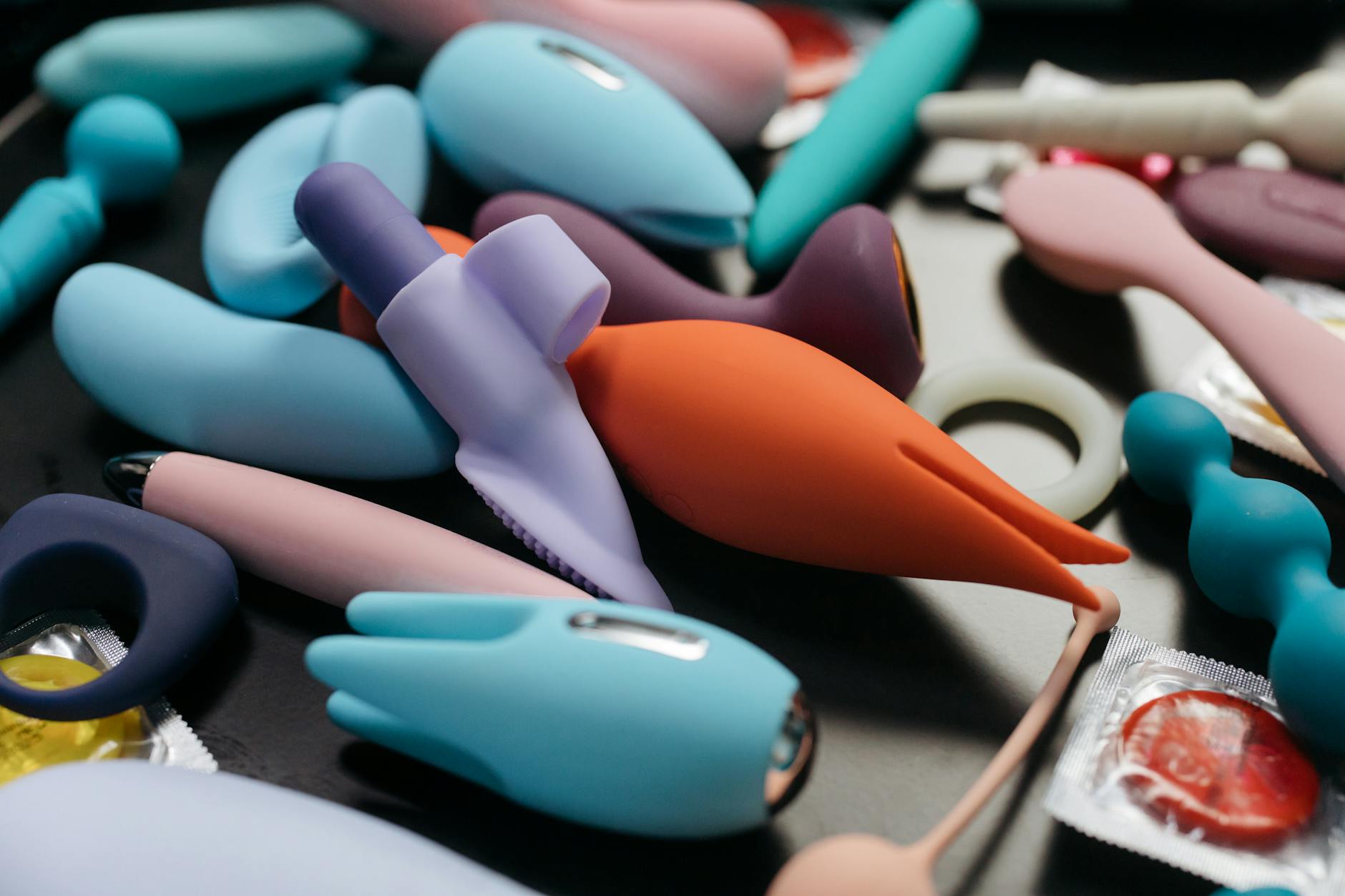
Let's name the thing you're actually worried about
You want to bring a lemon vibrator into sex with your partner, and you're scared they'll feel replaced, inadequate, or like you're subtly asking them to leave. That fear is so common it's basically universal. And it's also completely fixable if you approach it the right way.
Here's what I've learned after years of coaching couples through this exact conversation: the awkwardness isn't coming from the vibrator itself. It's coming from the gap between what you want to say and what you're actually saying. Close that gap, and the whole dynamic shifts.
Why the conversation matters more than the toy
Introducing a clitoral vibrator like the Lemon isn't really about the vibrator. It's a conversation about pleasure, vulnerability, and what you both want from sex. Those are big conversations. No wonder they feel charged.
The partners who struggle most aren't the ones bringing toys into the bedroom. They're the ones who bring toys in sideways. Left on the nightstand as a hint. Mentioned offhandedly when drunk. Framed as a solution to "a problem" instead of an expansion of what already works. Each of those approaches sends a subtext message that lands wrong.
When you actually name what you're doing and why, something shifts. You move from secrecy into collaboration.
The setup conversation (do this before anything physical)
Pick a moment that's not right before sex and not in the middle of conflict. You're looking for calm, private, and low-stakes. A weeknight conversation over coffee. A walk. A moment when you're both actually relaxed.
Open with honesty about yourself, not the vibrator. "I've been thinking about my own pleasure lately, and I realized there's something that actually feels really good for me that I want to try with you. I want to talk about it first because I care what you think." That's it.
Then name the thing plainly. "I want to use a clitoral vibrator sometimes when we're together. I think it could actually feel really good for both of us, and I want to see if you're open to it."
Notice what you're not saying. You're not apologizing. You're not framing it as a fix. You're not making it contingent on their response.
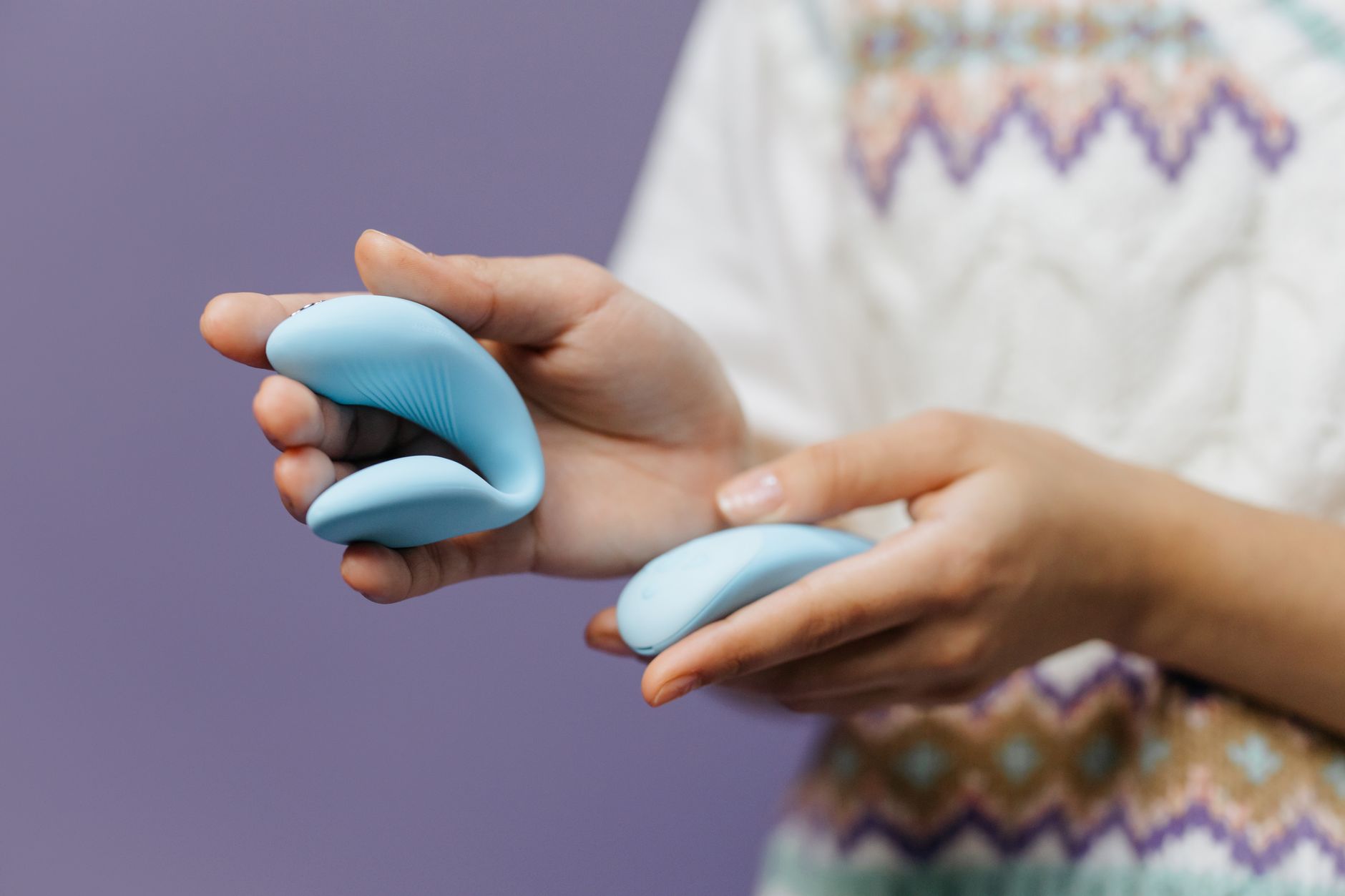
Photo by cottonbro studio on Pexels
The response you're likely to get (and what it actually means)
Your partner might say "Yeah, okay" immediately. That's fine. They might ask questions. Even better. They might say something defensive like "Am I not enough?" or "Why would you need that?"
Listen. That response isn't about you or the toy. It's about their own insecurity, which is real and valid. But it's separate from your request.
You can hold both things at once. "I understand you might feel that way. And this isn't about you not being enough. It's about me wanting to feel this specific sensation, and I want to feel it with you." That's not dismissive. That's clear.
If they stay stuck in that loop, you might need to have a bigger conversation about what they think sex is supposed to accomplish. Often that's rooted in an old belief that good sex means one person brings all the pleasure and the other person receives it. That model is exhausting and frankly boring. Partnered sex works better when you're both leaning into what feels good.
Why "I want this for us" lands better than "I need this for me"
There's a real difference in language here, and it matters. "I need this for myself" can land as "I need to do this alone, and you don't factor in." That's scary to hear.
"I want to try this together because I think it could feel amazing and bring us closer" is a completely different statement. It's still true. It's still centered on your pleasure. But it invites your partner into the experience instead of making them witness it from the sidelines.
That said, if your partner isn't on board and you're feeling pressure to drop the whole thing, that's a conversation you might want to explore with a couples therapist. Not because something's broken, but because mismatches around pleasure and openness need real space to be discussed.
The first time is not the time to go big
Don't build it up. Don't make it a "special night." Just integrate it into regular sex. "Hey, I want to try this tonight" right before or during is totally fine. Better than fine, actually, because it keeps it from being this huge ceremonial thing.
Start with lower patterns if you're using a Hello Nancy lemon vibrator. Pattern 1 or 2 lets your partner see what it does without it being overwhelming to either of you. They might want to hold it. They might want to watch. They might want to help you use it. All of that is information about what they're comfortable with.
Many partners find that using a clitoral vibrator together actually deepens arousal and connection. Watching someone you care about experience pleasure is genuinely sexy. Plus, when you're visibly enjoying something, your partner gets to see that directly. That's not threatening. That's hot.
When your partner wants to be the one holding it
This happens a lot, and it's usually a good sign. It means they're invested in your pleasure. Let them. They might need a minute to figure out pressure and rhythm, but that's actually an interesting conversation to have. "A little higher," "softer," "like that." That's intimacy. That's communication. That's what sex should feel like.
If they want to take the lead with the toy, they're not trying to replace themselves. They're trying to give you something that feels good. That's the opposite of inadequacy. That's generosity.
The conversation that actually fixes insecurity
If your partner is genuinely struggling with the idea that you want to use a lemon vibrator during sex, the fix isn't to not use it. The fix is to address what's actually bothering them.
Often it comes down to one of three things: they think your pleasure is their responsibility (it's not, it's shared), they think sex should feel a certain way (it shouldn't, it should feel good), or they're dealing with their own stuff about performance or adequacy that has nothing to do with you.
If it's the first two, the conversation is straightforward. "I like that you care about my pleasure. And part of how I want to explore that is with this toy. That doesn't mean I need you less. It means I want you in a different way." If it's the third thing, they might actually benefit from talking to someone. That's not a reflection on your relationship. That's just how insecurity works sometimes.
What happens after the conversation
Nothing weird, usually. You'll have sex, and you'll use the vibrator, and either it'll feel great or it'll feel fine or you'll realize you want to adjust something. That's all normal.
The big shift isn't in sex itself. It's in the fact that you named something, your partner heard you, and you moved forward together. That's the actual intimacy. The vibrator is just the vehicle.
Over time, introducing a toy often makes couples more comfortable talking about other things too. What feels good. What doesn't. What you want to try. That's the real win.
FAQ
Will using a vibrator make my partner feel replaced?
No, but the way you introduce it matters. If you frame it as adding something to your shared experience instead of substituting for your partner, they're much more likely to feel included. Many partners actually enjoy using a clitoral vibrator on their partner during sex. It's collaborative, not competitive.
How do I bring it up if we've never talked about toys before?
Start simple and direct: "I've been thinking about trying a vibrator during sex, and I wanted to talk to you about it first." You don't need a massive build-up. Straightforward conversations about sex are actually the sexiest thing you can do in a relationship.
What if my partner says no?
That's their right. But it's worth asking why. If it's genuine discomfort, respect that and explore what would feel okay. If it's insecurity or control, that might be worth examining together or with a therapist. You deserve a partner who wants your pleasure.
Can we use the lemon vibrator together, or is it just for me?
Both. Some couples love having one partner use it on the other. Some love using it together on one partner while the other enjoys the closeness. It's a tool that actually creates more flexibility, not less.
Will this make sex feel less intimate?
Opposite, usually. When you're both leaning into what feels good and talking about it openly, sex gets more intimate. The vulnerability of asking for what you want and having your partner help you get it? That's profound.
How do I know if we're ready for this conversation?
If you want to have it, you're ready. Don't wait for the perfect moment or until everything else in your relationship is perfect. Relationships grow through these exact conversations. Start where you are.
The real win
Introducing a lemon vibrator to partnered sex isn't actually about the toy. It's about building a relationship where both people's pleasure matters, where vulnerability is safe, and where you can ask for what you want without shame. That foundation makes everything better. Not just sex. Everything.
If you're still nervous about the conversation, that's completely normal. Talking about what you want is risky. But staying silent is riskier. Your pleasure matters. Your partner probably wants you to feel good. Bring them in. You might be surprised at what happens when you do.
If navigating this feels harder than it should, or if the conversation keeps getting stuck, reaching out to a couples therapist can help. Sometimes we need a neutral space to talk about the things that matter most. Contact us if you want recommendations or just want to talk through what you're feeling.