Let's start with what's actually happening
Arousal takes longer. That's not a flaw. That's your body changing its chemistry, and once you understand why, you can work with it instead of fighting it. Plenty of people notice that after 40, it takes 15, 20, sometimes 30 minutes to feel genuinely turned on. Your body isn't being difficult. Testosterone is lower, blood flow moves differently, and the initial spark of arousal requires more sustained attention than it used to.
Here's the part nobody explains: this slowdown doesn't mean the end result is less intense. Often it's the opposite. Slow builds tend to create deeper, more layered pleasure. But only if you stop expecting the old timeline.
Why your arousal timing changed
Three physiological shifts happen in your 40s, 50s, and beyond that directly affect how quickly you respond to stimulation:
Hormonal shifts. Testosterone begins a gradual decline around 30 and accelerates after 40. In people with vulvas, testosterone (yes, you produce it too) is a major driver of desire and genital sensation. Less testosterone means your nerve endings take slightly longer to "wake up" to touch.
Blood flow patterns. Arousal depends partly on blood flow rushing to your genitals. As you age, that happens more slowly. It's not absent. Just takes longer to reach peak pressure and sensation.
Neurological changes. Your brain's response to sexual cues doesn't disappear, but it becomes less automatic. You're less likely to feel spontaneous arousal just from proximity or a glance. You usually need more direct, sustained stimulation to activate that pathway.
None of this is fixable with willpower. It's physiology. The fix is practical: change your setup, change your expectations, and actually enjoy what slower arousal gives you.
Why the right tool matters more now
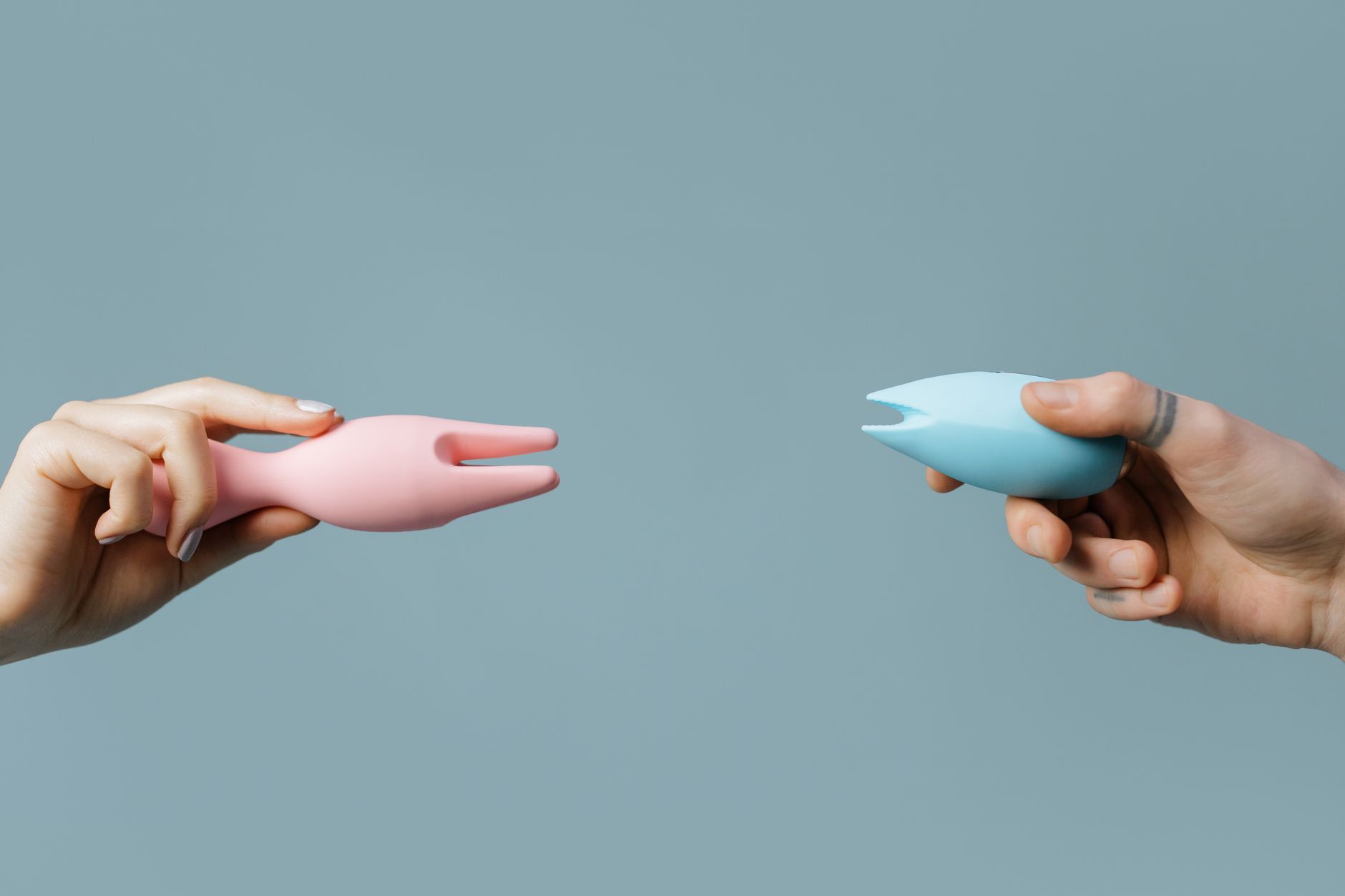
A lemon clitoral vibrator is useful for slow arousal builds because it does work that your partner's hands (or your own hands alone) often can't do as efficiently at lower intensities. Vibration bypasses some of the neurological lag. Instead of waiting 20 minutes for stimulation to register, you're often feeling consistent, measurable sensation from minute one. That doesn't mean you'll orgasm in two minutes. But your arousal curve lifts faster.
Specifically, the suction-based design of devices like the Lem works well because it creates a seal and gentle pressure that stimulates a wider area of nerve endings simultaneously. You're not relying on friction alone. That matters when your tissues are more sensitive or when direct contact feels too intense.
The warm-up that actually works
Honestly, slow arousal builds are a feature if you set up for them correctly.
Start 30 to 45 minutes before. Not in the moment. Before sex is on the table. Light physical touch, kissing, or just closeness while your nervous system starts shifting gears. This is foreplay, but it's less about "getting in the mood" and more about giving your body runway.
Use your lemon vibrator at patterns 1 or 2. Low intensity. Don't jump to patterns 4 or 5. You want to feel the sensation building gradually, not start at full throttle and have nowhere to go. Many people with slower arousal actually respond better to patient, consistent low-level stimulation than to sudden intensity.
Keep a water-based lubricant nearby. Your tissues may respond less quickly to natural lubrication, especially if you're post-menopausal or experiencing hormonal fluctuations. External lubrication speeds up arousal sensation because it reduces friction and makes stimulation feel more fluid.
Position matters. Lying down often feels better than sitting up because gravity helps with blood flow and you can fully relax. Some people find that lying on their back with a pillow under the hips creates the angle that feels most responsive.
The entire setup takes maybe 10 minutes. Then you have 20 to 30 minutes of gradual, building pleasure. That's not wasted time. That's the actual experience.
Mental setup is half the work
Here's what ruins slow arousal builds: feeling rushed. The moment you start thinking "Why isn't this working faster?" your nervous system contracts. Arousal needs your parasympathetic nervous system (the calm, rest-and-digest part) fully engaged. Anxiety and impatience flip the switch to sympathetic mode (fight-or-flight), which literally blocks arousal.
So the mental shift is: slow isn't a problem to solve. Slow is the timeline now. Plan for it. Schedule it, even. Give yourself permission to take 45 minutes instead of 15. Remove the pressure of a specific outcome. The goal isn't to reach orgasm by minute 10. The goal is to enjoy the sensation building over time.
This is especially important if you're with a partner. When arousal takes longer, many partners assume something is wrong with the relationship or attraction. Clarifying that this is a normal age-related change takes pressure off both of you. You're not broken. You're just operating on different timing.
If you're navigating this with someone new or someone who's used to a faster response time, saying it plainly helps: "My arousal takes a bit longer to build now. I enjoy having 20 to 30 minutes of foreplay. That works better for my body." Then you both know what you're working with.
When sensations plateau and how to work with it
Sometimes you'll feel arousal building steadily for 20 minutes, then it feels like it plateaus. This is completely normal. Your body isn't failing. You've just reached a temporary equilibrium.
Three ways to move through a plateau:
Change intensity. If you've been at pattern 2, move to pattern 3. The new stimulus often reignites the climbing sensation.
Change location or angle. Move the vibrator slightly, or adjust your position. A small shift sometimes activates nerves that had adapted to the previous stimulation.
Add sensation elsewhere. If you're using a lemon vibrator on your clitoris, your partner (or your other hand) can add touch to your breasts, inside your thighs, your neck. Multiple stimuli often breaks a plateau because your brain is processing new input.
Patterns and approach matter, but patience matters more. Pushing harder rarely helps. Adding variation works better.
The second-time advantage
Here's something worth knowing: arousal often builds much faster the second time, even in the same session. Your nervous system is already primed. Blood flow is already elevated. This is actually a gift of slower arousal. You can use it.
Some people find that a second round of stimulation, even 10 or 15 minutes later, creates intense sensation and easier orgasm. Others use this strategically in partnered sex: longer foreplay first, then a break, then penetration or further play. Your body is more responsive the second time around.
This also means: don't judge your arousal responsiveness based on one attempt. Give yourself a few sessions with the new timeline before deciding what works. Your body is learning a new rhythm, and that takes practice.
Partner communication when you're the slower one
If you're in a relationship and you're the one whose arousal takes longer, your partner needs to understand this isn't a reflection of their attractiveness or your connection. Many people take that slowness personally, which creates pressure, which makes arousal even slower. It's a terrible loop.
Break it by naming it separately: "I take longer to warm up now. That doesn't mean I'm not into you. It means my body needs more time. I actually love the extended foreplay, but I need you to understand it's not about you." Then show them what works. Use your lemon vibrator. Show them the patterns. Let them see that you're responsive and present, just on a longer timeline.
For partners of people with slower arousal, the shift is mental too: extended foreplay isn't a barrier to sex. It's the sex. It's the entire experience. Some partners find that reframing actually improves their own pleasure because they're not rushing to the finish line.
FAQ: Slow arousal with age
Why does arousal take longer after 40?
Hormone levels shift, blood flow moves more slowly, and your nervous system requires more sustained stimulation to activate arousal pathways. Testosterone decline is the primary driver, along with changes in vascular response. This is completely normal physiology, not a sign of dysfunction.
Is there anything that speeds up arousal besides vibrators?
Topical blood flow enhancers exist (like warming lubricants), but honestly, the most effective speed-up is mental: removing pressure and expectation. Anxiety literally blocks arousal. If you reframe slow arousal as normal and give yourself time, you often feel more responsive. Kegel exercises and pelvic floor strengthening can also improve sensation and blood flow over weeks.
Should I use a higher-intensity vibrator if arousal takes longer?
Not necessarily. Slow arousal builds often respond better to patient, consistent low-to-medium intensity than to jumping straight to high. Start with patterns 1 or 2 on a lemon clitoral vibrator and build from there. You're working with your nervous system's timeline, not fighting it.
What if my arousal takes forever and I still don't come?
If you're taking 45 to 60 minutes to feel aroused and orgasm still isn't happening, consider whether you're in a relaxed state. Tension, pressure, or being in an environment where you don't feel fully comfortable all block arousal. Also check: are you on medication? Certain antidepressants and blood pressure meds slow arousal significantly. Talk to your doctor if this is a new pattern. Otherwise, some sessions end in arousal without orgasm, and that's okay. Pleasure exists on a spectrum.
Can my partner help speed things up?
Partner involvement actually helps, but not in the way most people think. Pressure to orgasm makes arousal slower. What helps: having them engage in extended foreplay without an outcome focus. Using a lemon vibrator while they touch you elsewhere. Getting comfortable communicating what speeds your arousal without it becoming performative. The fastest path to arousal is feeling fully safe and having zero pressure to finish.
Does slow arousal mean I'm less attracted to my partner?
No. Attraction and arousal speed are separate systems. You can be deeply attracted to your partner and still need 30 minutes to feel physically aroused. Age, hormones, stress, and medication all affect arousal speed independently of how much you want your partner. If you're attracted and the arousal timeline is just slower, that's normal aging. If you notice no arousal even after extended foreplay and you feel no desire, that might signal relationship issues or hormonal problems worth discussing with a doctor.
The bigger picture: slow can be better
I work with couples who've been together 20, 30 years and they tell me the same thing: once they stopped fighting their slower arousal and actually planned for extended foreplay, sex became more satisfying than it was in their 20s. There's less pressure. More patience. More creativity. More actual connection.
Slow arousal isn't something you're doing wrong. It's just your body operating at its current baseline. Use a lemon vibrator. Give yourself time. Build with your partner instead of around them. And stop waiting for the old timeline to come back, because it won't. But what replaces it is often richer.
If you want to talk through what's working and what isn't, we're here. Reach out at /contact.