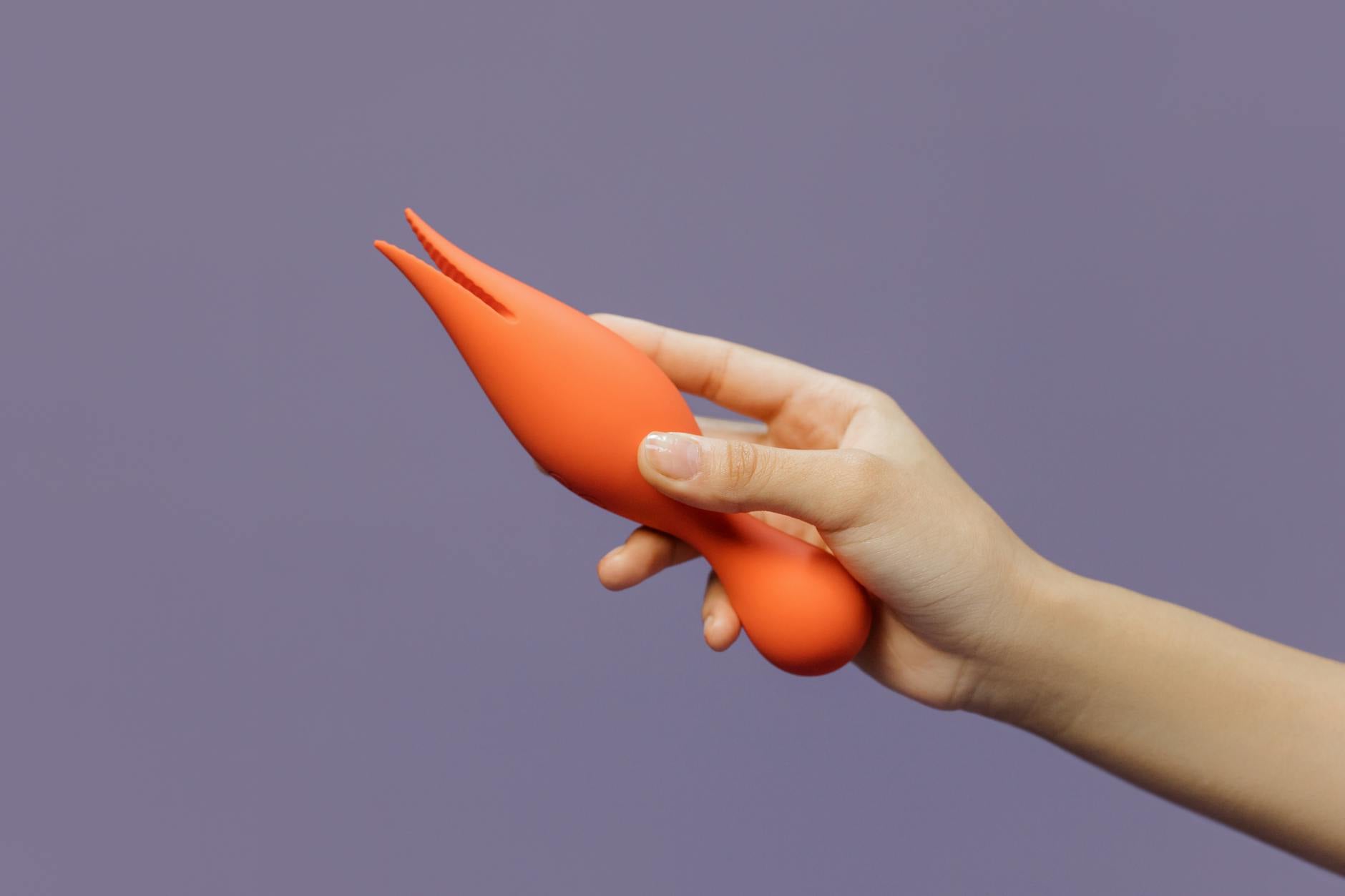
Let's talk about what's actually happening
Perimenopause is a slow-motion hormone shift, not a cliff edge. Estrogen fluctuates wildly for years before it finally settles low, and that inconsistency is exactly the problem. Some weeks your body responds the way it always has. Other weeks, nothing. The unpredictability alone is frustrating enough without wondering if something's wrong with you.
Here's the thing: nothing is wrong with you. Your tissue is changing. Your arousal timeline is changing. But your capacity for pleasure is completely intact. The lemon clitoral vibrator works brilliantly during perimenopause because it doesn't rely on the kind of sustained friction that becomes uncomfortable as tissue thins. Suction-based stimulation bypasses those changes and speaks directly to your nerve endings.
Why perimenopause changes sensation differently than menopause
During perimenopause, your estrogen isn't low yet. It's erratic. Some cycles you're flooded with it, and sensation feels heightened, almost hypersensitive. Other cycles, it tanks, and everything feels muted. That's not your imagination. Fluctuating estrogen literally changes blood flow to tissue and how your nervous system registers touch.
Vaginal tissue also starts to thin, but unevenly and gradually. The result: sometimes direct friction feels amazing, and sometimes it feels raw or irritating. A lemon vibrator is forgiving during this transition because the suction pattern doesn't depend on friction against delicate tissue. It works regardless of thickness or lubrication level.
The other shift nobody talks about is clitoral hood sensitivity. As estrogen drops, the hood can become either more sensitive or less so. With a lemon sucker, you can adjust the positioning of the toy against the clitoral head to find what works that week. On sensitive weeks, hover it slightly above rather than directly on. On numb weeks, full contact or even slightly pulling the hood back gives better feedback.
Pattern selection matters more during perimenopause
When your hormones are stable, you might work up to pattern 7 and never look back. Perimenopause doesn't allow that kind of consistency. Some weeks, patterns 4-6 feel perfect. Other weeks, those same patterns feel overwhelming or too shallow.
My recommendation: think of pattern 1-3 as your exploration range during perimenopause. These gentler, more rhythmic patterns give your nervous system time to register what's happening. They also allow you to feel when sensation is shifting mid-session, so you can adjust before discomfort sneaks in.
Pattern 4-5 becomes your baseline once you know your week. Higher patterns (6-7 and beyond) work great for confident weeks when sensation is muted, but they're not necessary. Many people in perimenopause report their most satisfying experiences come from slower, sustained patterns rather than high intensity.
Lubrication becomes strategic, not optional
During perimenopause, your natural lubrication is inconsistent too. This doesn't mean anything is broken. It means using lubricant isn't about fixing a problem. It's about removing friction so sensation comes through clearly.
Use water-based lube every time, even if you think you don't need it. A small amount creates a seal between the lemon toy and your skin that intensifies sensation. Without it, the toy works harder, you feel less, and that can feel defeating when you're already uncertain about how your body will respond.
Reapply mid-session if needed. The suction breaks the lube seal, and sensation will flatten if lube dries out. A quick dab takes five seconds and transforms the experience.
Timing and warm-up shift during perimenopause
Arousability changes during perimenopause, but it doesn't disappear. What shifts is the timeline. You might need 20 minutes instead of 5 to feel anything happening. That's not a sign to give up. It's a signal to slow down and give your body more runway.
Build in 15-20 minutes of non-genital touch before you even pick up your lemon vibrator. This isn't about getting yourself "ready." It's about priming your nervous system. Stroking your inner arm, your neck, the inside of your thigh. Let arousal build gradually. Then add the toy when you're genuinely curious about how it will feel, not when you think you should be aroused.
If you're partnered, this is also when communication gets specific. Not "I want you to touch me more." Say, "I need slower touch for the next 20 minutes before we use the toy." Your partner gets a job. You get predictable buildup instead of pressure.
Pay attention to your cycle, even if it's chaotic
Here's what most sources skip: even during perimenopause, when your cycle feels random, there's still rhythm underneath. You might ovulate on day 12 one month and day 18 the next. But when you ovulate, sensation peaks. When you're in the luteal phase after ovulation, sensation quiets down.
Tracking this doesn't have to be complicated. Note down when you think you're ovulating (midcycle cramping, shift in cervical fluid) and watch how sensation changes in the weeks after. You'll likely find that your best sessions happen in the first two weeks, and your need for longer warm-up time peaks in weeks three and four.
Once you map this pattern, you can plan. Use your lemon vibrator on your confident weeks and let lower-sensation weeks be about partnered touch or just rest. Stop waiting for your body to perform consistently when perimenopause is explicitly a season of inconsistency.
When discomfort signals something to address
There's a difference between "sensation feels different" and "this hurts." Perimenopause can bring some discomfort, but pain during use is not normal and not something to push through.
Raw sensation after using the toy usually means tissue is thinning faster than you realized, or you're using too much friction (pressing harder because sensation feels numb). Back off intensity. Use more lube. Shorten sessions to 10-15 minutes instead of 30.
If discomfort persists, it's worth mentioning to your doctor. Genitourinary syndrome of menopause (GSM) can start during perimenopause, and topical estrogen creams are highly effective. They're not a big deal to use, and they transform sensation back to something recognizable.
Building confidence through experimentation
One of the hardest parts of perimenopause is that you can't rely on your body the way you did before. That loss of predictability can tank desire. The lemon vibrator helps restore some control because you're actively choosing patterns, pressure, duration, and positioning rather than hoping your body cooperates.
Give yourself permission to experiment without a goal of orgasm. Some sessions, just feel what the toy does at different patterns. Other sessions, combine it with fantasies or audiobooks. Notice what brings back sensation, what feels hollow, what you're actually curious about versus what you think you should want.
This exploration is not a consolation prize while you wait for your hormones to stabilize. It's how you actually get to know your body during a phase when it's genuinely different. That knowledge sticks with you through menopause and beyond.
The bigger picture: this phase is temporary and navigable
Perimenopause lasts 4-10 years depending on your body. That's a long time, and it deserves a real strategy, not wishful thinking. Using a lemon clitoral vibrator during this phase isn't about forcing pleasure or pretending your hormones didn't shift. It's about working with your body's actual capacity in each moment.
Your best move is to treat perimenopause like a curiosity rather than a problem to solve. What does arousal feel like now? What patterns work with fluctuating sensation? Which weeks are your confident weeks? Once you have these answers, pleasure stays on the table. It just looks different, and that's completely fine.
Frequently asked questions
Can I still orgasm with a lemon vibrator during perimenopause?
Yes. Orgasm doesn't disappear during perimenopause, but the pathway to it might change. You might need longer warm-up, specific patterns, or different positioning than you used before. Some people find that the suction-based stimulation of a lemon vibrator actually makes orgasm more accessible during this phase because it bypasses friction concerns. If you're struggling, it's often a timing or technique issue, not a capacity issue.
Why does my lemon vibrator feel less intense some weeks?
Fluctuating estrogen changes blood flow and tissue sensitivity week to week. High-estrogen weeks, the toy feels incredible. Low-estrogen weeks, the same pattern feels soft. This is completely normal during perimenopause. If this happens, try adjusting positioning slightly or moving to a faster pattern to see if sensation returns. If it doesn't, that's your signal to use the week for partnered touch instead of solo sessions.
How much lube should I use with a lemon clitoral vibrator during perimenopause?
Start with a small amount, about the size of a pea. Too much lube actually dampens sensation because the toy loses seal contact. Test what works: some people need a thin layer, others need frequent reapplication. The sweet spot is usually reapplying every 10-15 minutes rather than starting with excess. Water-based lube is essential because silicone lube can damage silicone toys.
Is it normal for my clitoris to feel numb during perimenopause even with a lemon vibrator?
Yes and no. Mild fluctuation in sensation is normal. Complete numbness usually means either you're in a very low-estrogen week, or you need much longer warm-up time than you expected. Before assuming it's hormonal, try extending your warm-up to 20-25 minutes. If numbness persists across weeks, mention it to your doctor. Sometimes topical estrogen creams help restore sensation faster.
Can I use a lemon vibrator if I'm having night sweats and mood swings?
Absolutely. In fact, many people find that solo pleasure sessions help regulate mood during perimenopause by boosting serotonin and reducing cortisol. Night sweats don't make you any less capable of experiencing pleasure. You might prefer shorter sessions (10-15 minutes) rather than longer ones, just because temperature regulation feels precious during perimenopause. That's smart self-care, not a limitation.
Should I talk to my doctor before using a lemon vibrator during perimenopause?
Not necessary unless you're experiencing pain, severe dryness, or other symptoms. But if you're unsure about any physical changes, it never hurts to mention it. Many gynecologists who understand perimenopause are supportive and can give personalized advice based on your specific hormone levels and tissue health.
What comes next
Perimenopause is a transition, not a ending. Using a lemon vibrator during this phase teaches your body that pleasure adapts. That lesson carries forward. When you reach menopause, you'll already know how to work with hormonal changes instead of against them. You'll have patterns that work, positioning tricks that matter, and real evidence that your body is still capable of sensation and satisfaction. That's not just practical. That's powerful.