Here's the thing about numbness
Sensation doesn't vanish overnight. It fades in degrees. One year you notice sex requires more time to feel good. Three years later, you need direct pressure. Five years in, even that barely registers. By the time you're searching for answers, you've already made a private diagnosis: I'm broken, this is permanent, pleasure just isn't for me anymore.
None of that is true. But I understand why it feels that way.
I work with people who've spent years in a state of sexual numbness. It usually starts with one of three things: chronic stress, relationship distance, or medication side effects. Then habit kicks in. Your nervous system learns that touch doesn't signal safety or pleasure anymore, so it stops responding. Your brain gets the message and stops asking. Suddenly you're in a feedback loop where your body genuinely can't feel what's happening, even when you want it to.
The good news: that loop can be broken. And a lemon vibrator isn't just a tool for this. It's often the best tool.
Why numbness happens (and why it's not your fault)
Let's start with the physiology. Sexual sensation depends on three things working together: your nervous system recognizing touch as pleasurable, blood flow to sensitive areas, and psychological permission for arousal. When any one of those breaks down, the whole chain stalls.
Stress floods your body with cortisol and adrenaline. These hormones literally suppress arousal. Your body is trying to survive, not experience pleasure. Keep that going for months or years, and your nervous system forgets how to shift gears into parasympathetic mode, which is where pleasure lives.
Relationship tension does something similar but different. If you've spent years feeling disconnected from a partner, or if there's unresolved conflict, your body learns that intimacy isn't safe. Physical numbness becomes emotional protection. You can't feel hurt if you can't feel anything.
Medications complicate things further. Antidepressants, antihistamines, blood pressure meds, and birth control can all dampen sensation or delay arousal. Often people adjust to the new normal without realizing what changed. The numbness feels like it's about you, not about chemistry.
Why a lemon vibrator works when touch doesn't
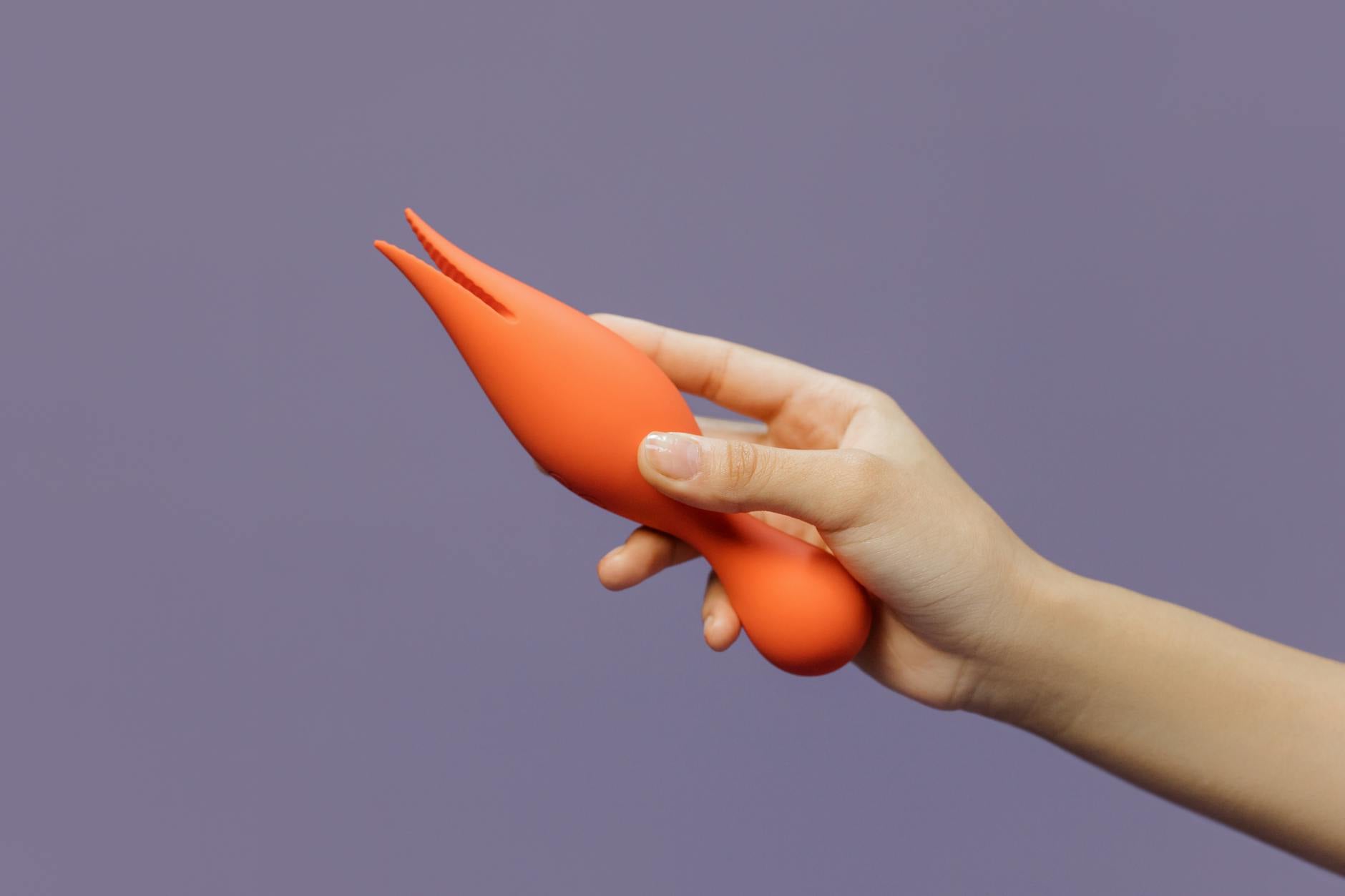
Here's where clitoral vibrators shift the game. The clitoris has roughly 8,000 nerve endings concentrated in one small area. A vibrator, especially one designed like the Lemon Toy Store's lemon clitoral vibrator, delivers consistent stimulation that your body can't ignore or habituate to as easily as static touch can.
When your nervous system is in shutdown mode, it needs novelty to wake up. A fingertip on skin? Your body can tune that out. A pattern of micro-movements delivered at specific frequencies? Much harder to ignore. The vibration essentially bypasses the learned numbness and speaks directly to your nerve endings in a language they can't help but understand.
The suction mechanism of a lemon vibrator is particularly effective here. Rather than relying on pressure or friction that might feel muted or irritating on numb tissue, suction creates a gentle pulling sensation that stimulates nerves differently. Many people say it feels like sensation is being drawn out of them rather than pressed into them. That distinction matters when your body has forgotten how to receive pleasure.
The rewiring process: going slow intentionally
Here's where patience becomes radical. Most people approach rebuilding sensation like they're trying to jump-start a dead battery. Go hard, go fast, create enough stimulation to force the system online. That usually backfires. Your nervous system is cautious for a reason. You need to prove to it that pleasure is safe before it will fully engage.
Start with your lemon vibrator on the lowest setting. Not because you're easing into comfort, but because you're teaching your nervous system a new language. Set a timer for 10-15 minutes. That's not a test to pass or a finish line to reach. It's just time to be present and notice what your body is doing.
Notice doesn't mean feel good. It means actually paying attention. Are there small sensations? Tingling? Warmth? A slight pulse? Your job isn't to amplify pleasure. It's to develop the habit of noticing. This is the foundation of everything that comes next.
Many people find that the first few sessions produce almost nothing. That's not failure. That's your nervous system going quiet enough to listen to itself again. Stick with it for a week or two at the same low intensity before you increase anything.
Building back responsiveness systematically
Once you can notice sensation at low intensity, the next move is consistency. Use your lemon vibrator three to four times a week, same time if possible. Routine signals safety to your nervous system. Your body learns that this is a protected space, a scheduled time when pleasure is allowed.
After two to three weeks, you can try moving to the next setting. Not because you have to, but because you'll genuinely want to. This is the sign that your nervous system is waking up. It's starting to remember that sensation can be interesting.
Keep your mind in the experience. That's harder than it sounds when you've been numb. Your brain will want to wander into self-doubt (is this even working?), logistics (did I pay that bill?), or judgment (I shouldn't need a toy for this). Notice those thoughts and gently return to your body. What do you feel right now? Not what do you think you should feel.
If you have a partner, this is a good time to tell them what you're doing. You don't need to involve them in the process unless you want to. But they should know that you're actively rebuilding your capacity for pleasure. This reframes the numbness from "something is wrong with me" to "I'm doing something about this."
When to pause and reassess
If after four to six weeks you're still feeling absolutely nothing, it's time to talk to a healthcare provider. Sometimes medication adjustments are needed. Sometimes there's an underlying hormonal issue. Sometimes the emotional block is deeper than self-directed work can reach, and working with a therapist becomes the right move. That's not failure. That's information.
If you're experiencing pain rather than numbness, stop immediately. Pain is your body saying no. That requires professional evaluation.
If you find yourself using your lemon vibrator obsessively, like you're trying to force sensation rather than gently invite it back, pause. That's your nervous system going into overdrive again. You need to dial it back down and rebuild from a slower pace.
Partnered rebuilding: a different conversation
If you're in a relationship and your partner has been affected by your numbness, rebuilding sensation together can feel complicated. One partner might feel rejected. The other might feel pressure to perform feeling again. That's a different kind of work, and it often requires talking through what happened and rebuilding trust alongside rebuilding sensation.
Some couples find that using a lemon vibrator together, with no pressure to produce specific outcomes, helps. It shifts the dynamic from "why don't you want me" to "let's figure this out together." The vibrator becomes a tool for reconnection, not a reminder of what's been missing.
Read more about how to use a lemon vibrator when you want to combine pleasure with your partner if you want to explore that specifically.
The timeline is individual
Some people regain responsiveness within four weeks. Others need three months. I've worked with people who spent six months in slow, steady practice before they felt genuine pleasure again. The timeline depends on how long you've been numb, what caused it, whether stress is ongoing, and how consistently you practice.
What matters more than speed is the fact that you're practicing. Every session sends a message to your nervous system: pleasure is worth attention. Your body is worth caring for. You deserve to feel again.
That accumulates. One week feels like nothing. Eight weeks later, you realize you're initiating touch again. You're thinking about pleasure in a way you stopped doing. You're remembering that you're capable of sensation. That's the real work.
FAQ: Rebuilding sensation with a lemon vibrator
How long before I feel anything at all?
Most people notice something within 1-3 weeks of consistent use, even if it's just a faint awareness of stimulation. Don't expect an orgasm. Expect to start distinguishing between numbness and the beginning of sensation. That distinction is the win.
Can I use a lemon vibrator if I'm on antidepressants?
Absolutely. Many medications that affect sexual sensation respond well to increased stimulation. A lemon vibrator provides consistent input that can help your body learn to respond despite medication effects. If sensation still doesn't return after 8-10 weeks, talk to your prescriber about timing or dosage adjustments.
What if my partner thinks I should be able to feel sensation without a toy?
That's a communication issue, not a sex issue. Numbness is real. Rebuilding it requires tools. A lemon vibrator isn't a replacement for your partner. It's a way to wake your body back up so you can feel them again. Your partner using a tool to help you heal shows care, not inadequacy.
Is it normal to feel more sensation with a vibrator than without it?
Completely normal. Vibrators provide input that static touch can't match. The goal isn't to feel the same things both ways. The goal is to expand your capacity for sensation in every form. Using a lemon vibrator can retrain your nervous system to respond to gentler touch afterward.
What if I rebuild sensation but still feel disconnected emotionally?
Physical sensation and emotional intimacy are related but separate. Rebuilding one doesn't automatically restore the other. If disconnection persists, it might be worth exploring how to feel more connected to your body overall, or working with a therapist on the emotional side. Both matter.
Can I go back to numbness after I've rebuilt sensation?
Yes, if the underlying cause returns. If stress floods back, or if conflict resurfaces in a relationship, numbness can return. That's not failure. It means you understand the pattern now and can address it sooner. You also know it's reversible, which changes everything.
Moving forward
Numbness tells a story about what you've been through. Stress, disconnection, medication, time passing without attention to pleasure. That story is valid. But it's not the end of your story.
Rebuild your sensation slowly. Use your lemon vibrator as a tool for that rebuilding, not as a destination. Notice what your body is doing. Create safety. Practice consistency. Be patient with yourself.
Sensation is waiting to come back. Your body hasn't forgotten how to feel. It's just been protecting itself while waiting for the right conditions to open up again. You're creating those conditions now. That takes courage. It also takes time. Give yourself both.