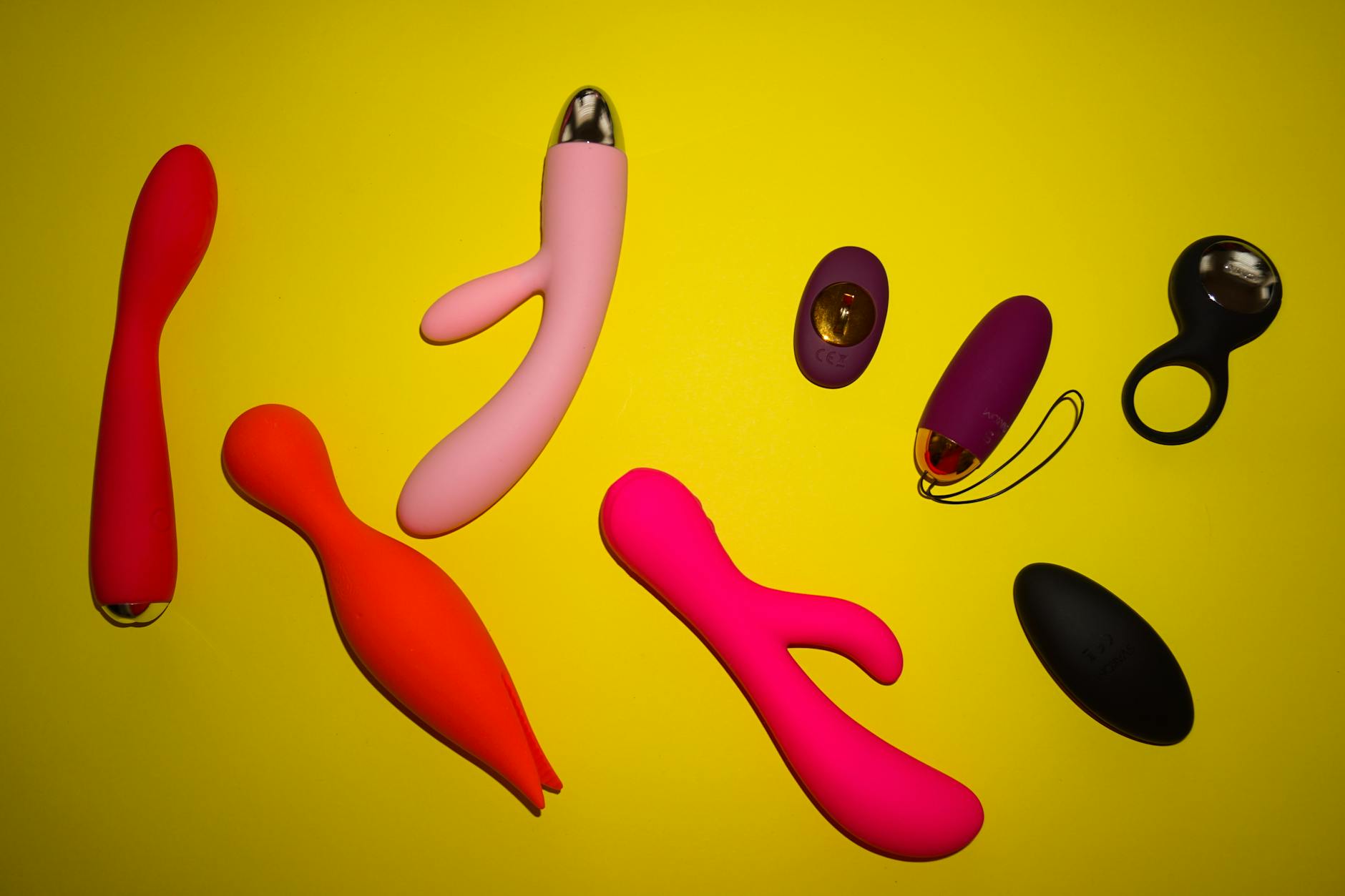
The friction nobody talks about
Here's the thing: one person wants a vibrator. The other person doesn't. It's not that they're repressed or insecure (though sometimes they feel that way about themselves). It's that a toy in the bedroom feels like a referendum on them. Like you're saying "you're not enough." And no amount of reassurance seems to stick.
This is one of the most common blocks I see in couples therapy, and it doesn't have to be an impasse.
Why partners resist vibrators
Before we get to solutions, let's name what's actually happening. Most partner resistance falls into three buckets, and they're usually operating at the same time.
The insecurity frame: "She needs this to finish, which means I'm failing." This one's baked into decades of cultural messaging about how male bodies are supposed to work. A clitoral vibrator like a Lem feels like evidence of inadequacy, even though it's neurologically impossible for a penis or fingers to produce the same suction pattern. The brain doesn't always believe the facts.
The control frame: "Toys feel clinical. They get in the way of us." This one's often about intimacy texture. A partner might feel like a vibrator turns sex into a logistics problem instead of an in-the-moment experience. Fair concern, but not insurmountable.
The identity frame: "I'm just not a toy person. That's not who I am." Some people grew up in families or cultures where toys meant something specific. Introducing one can feel like you're asking them to become someone they're not.
None of these are wrong. They're just places to start the conversation.
Start with the real conversation, not the device
Don't lead with the vibrator. Lead with pleasure.
Sit down outside the bedroom. Not angry-sit, not frustrated-sit, just honest-sit. Say something like: "I love what we do together. And I've noticed my body takes longer to finish with just hands and mouth, and I want to explore that without it meaning anything bad about you."
That last part is crucial. You're separating two things your partner's brain is gluing together: your pleasure needs and their adequacy as a lover.
Listen to what they say without defending. If they say it feels impersonal, don't argue that it's not. Hear that. Then ask: "What would make it feel personal to you?" Maybe it's you picking it out together. Maybe it's them controlling it. Maybe it's using it only sometimes, not always. Different people need different reassurances.
The practical pathway
First step: solo time. Use the Lem alone for a few weeks. Get comfortable with it. Learn what patterns work for you. Text your partner something like, "I tried that thing we talked about and it felt really good." Not a performance, not a big reveal, just information. This normalizes it without forcing them to witness or participate yet.
Second step: them in the room. Next time you're together, mention casually that you'd like to use it during foreplay. You're not asking permission, you're stating a boundary about your own pleasure. "I'm going to do this because it helps my body relax" is different from "Will you let me?" One is ownership. One is asking for approval.
The first time, they might feel awkward. That's okay. Awkward is not the same as wrong. You keep going.
Third step: involvement, their way. After a few rounds, ask what role they'd want, if any. Some partners warm up when they realize they can still be hands-on. "You hold the vibrator while I guide you" is different from "the vibrator is doing it to me." It's collaborative instead of replaced.
Others never warm up to holding it, and that's fine too. The goal isn't "partner loves toys." The goal is "we both feel good about our shared pleasure."
What actually helps resistant partners come around
Three things move the needle:
1. Reassurance, repeated. Not once. Not during sex. During regular conversation. "Your pleasure still matters. This is additive, not a replacement. I still want your hands on me." Say it when it's not charged. Say it more than feels necessary.
2. Proof that you still desire them. This is the honest part. Make sure you actually do initiate sex without the vibrator sometimes. If you only reach for the vibrator, it confirms their fear. If vibrators exist alongside regular intimacy, the narrative changes. "I want to orgasm faster sometimes" becomes different from "I only orgasm with a toy."
3. Making it about both of you. Some partners warm up when the vibrator benefits them too. Shorter foreplay means more time for what you actually enjoy together. Fewer frustrated nights where someone's exhausted trying to make something happen. You both get more pleasure faster. Frame it that way.
When to use it solo instead
Here's the uncomfortable truth: some partners never get comfortable with toys. And that's when you have a choice to make.
You can use vibrators during solo pleasure and not during partnered sex. This works for plenty of couples. But it only works if you're genuinely okay with it, not secretly resentful that you're compartmentalizing your pleasure.
If you're not okay with it, that's real information. It means you have a deeper mismatch about what pleasure is supposed to look like together. And that deserves actual couples work, not compromise. A good therapist can help you both understand what's underneath the resistance.
But often, what looks like "partner doesn't want toys" is actually "partner doesn't want to feel replaced." Those are solvable.
The thing nobody tells you
Sometimes a resistant partner, once they see that a lemon clitoral vibrator isn't a threat but a relief, actually becomes the person who suggests it. "Hey, why don't you use the Lem tonight?" happens. Not always. But enough times that it's worth the patience.
The key is never framing it as a personal failure. It's a tool. Like lube. Like changing positions. Your partner didn't fail you by not making you orgasm the old way. Your body is just asking for something different now. That's not a referendum on him. It's just biology.
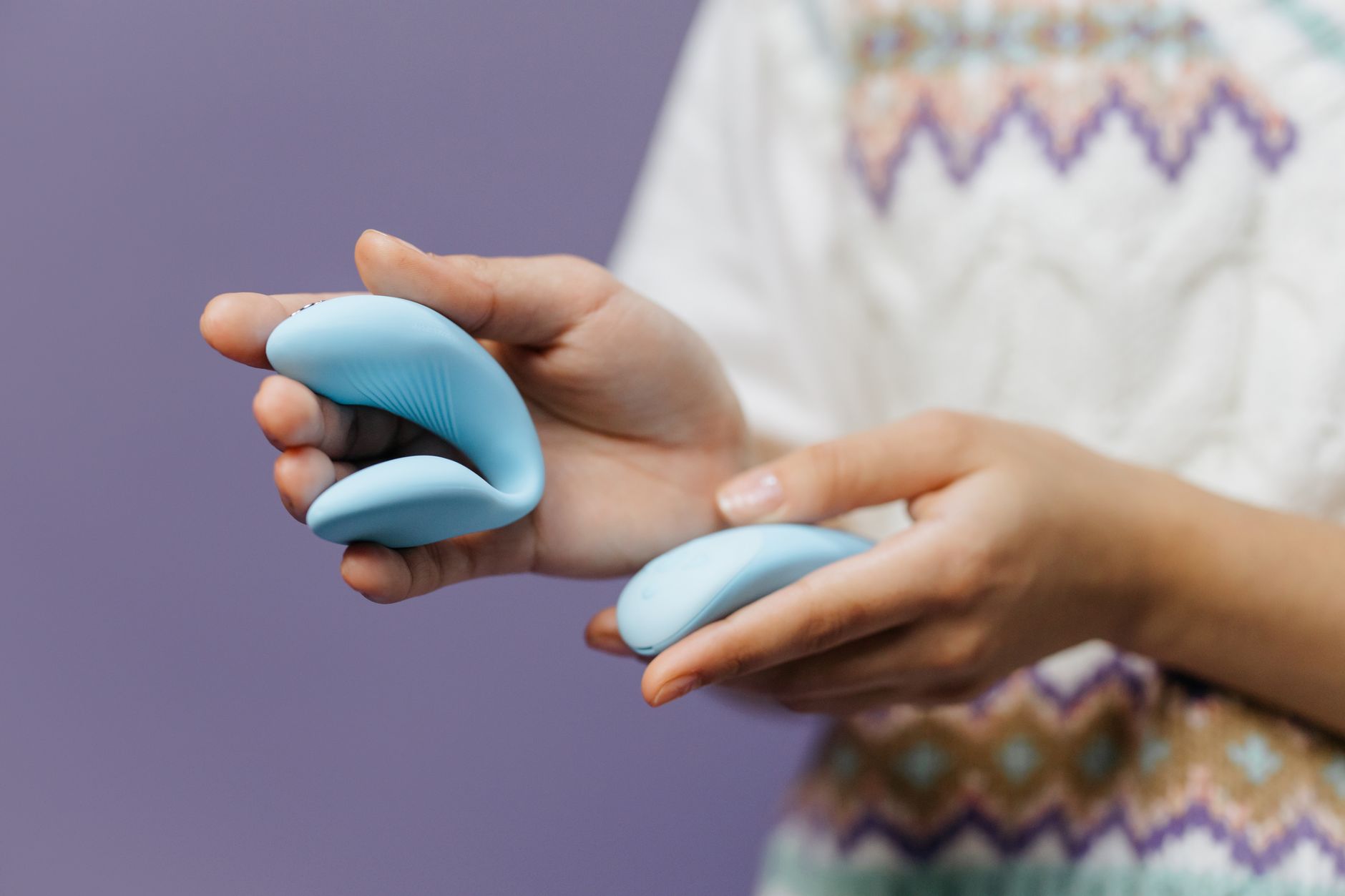
Photo by cottonbro studio on Pexels
Common patterns I see
Some partners get comfortable fastest when you're explicit about timeline. "I want to use this twice a week during sex, and for solo pleasure whenever I want." The specificity removes the creeping anxiety that toys will take over everything.
Others need you to acknowledge their feelings without trying to fix them. "I know this feels weird to you. And I'm doing it anyway because my pleasure matters to both of us." That's not mean. That's clear.
A few need education. Show them that a clitoral vibrator (especially one like a Lem that uses suction instead of vibration) isn't trying to replicate anything. It's doing something totally different. The physiology is genuinely different. Some partners relax once they understand it's not competition.
What doesn't work
Don't sneak a vibrator into your shared bed without talking about it first. That confirms every fear they have about being deceived.
Don't use the vibrator and make a big show of your pleasure in front of them as some kind of demonstration. That reads as resentment, not joy.
Don't say "my therapist says I should use toys" or "all couples do this." Authority figures and group norms don't change minds. Personal ownership does.
Don't accept their discomfort as a permanent boundary on your own pleasure. You can use toys solo. You can use them during partnered sex. You're allowed to have needs that they don't initially understand.
The real outcome
The goal isn't to convert your partner into someone who loves vibrators. It's to create a home where both of you can pursue pleasure without shame, even when you're pursuing it differently.
That means you get to use a lemon clitoral vibrator. That means they get to have their feelings about it. And that means you work together to make sure neither of those facts undermines the other.
If you need help having these conversations or feeling stuck after trying these approaches, reach out to us. We're here.
People also ask
How do I bring up vibrators to my partner without hurting their ego?
Frame it as a solution to a problem you're both experiencing, not an indictment of them. Instead of "I need a vibrator because you can't make me come," try "My body takes longer to finish lately, and I want to explore that without it affecting our time together." You're naming a change in your body, not a failure on their part. Ask them what they're worried about. Listen. Then share what would actually help you feel comfortable.
What if my partner says no and I use a vibrator anyway?
You can. Your pleasure is your responsibility, not theirs. But know that doing something against someone's explicit wishes without further conversation will damage trust. What's worth exploring is whether they said "no" once and now won't revisit it, or whether they've genuinely put a boundary around it. Those need different responses. If it's the first, bring it back up later. If it's the second, you have a choice: respect the boundary or decide it's incompatible with your needs. Both are valid.
Can I use a lemon vibrator during sex without telling my partner?
Not recommended. Even if the intention is good (you're trying to avoid another conversation), discovery will hurt more than the conversation would have. Partners can tell when something's changed, and finding out you've been using something they explicitly didn't want will feel like betrayal. The conversation is always better than the surprise.
Why does my partner say toys are "too clinical" when he enjoys other sex tools?
A lot of partners have one specific anxiety about vibrators that doesn't extend to lube, condoms, or position pillows. It's often because vibrators feel more permanent or real to them. A vibrator sits on the nightstand. Lube gets washed away. Toys trigger a narrative in their head in a way other tools don't. That doesn't make it rational, but it's real. Sometimes talking through specifically why a clitoral vibrator feels different than other tools helps them separate fact from fear.
Should we use a vibrator if my partner is already insecure?
Insecurity and vibrator use aren't actually connected, though they can feel connected in the moment. If your partner is insecure in general, a vibrator might temporarily feel like evidence, but it's not the root issue. The real work is whether you both trust each other. Use the vibrator conversation as a chance to build that trust, not as proof it's broken. If insecurity is severe, couples therapy is helpful, regardless of toys.
What if my partner finally uses the vibrator with me and it doesn't help my pleasure?
Then you've learned something: the obstacle wasn't the vibrator, it was something else. Maybe you need a different toy. Maybe you need more foreplay. Maybe you need to address anxiety that's blocking sensation. The good news is that your partner just showed up and tried something uncomfortable for them. That's the real win. Use it as foundation to explore what actually does help.