
Here's the thing about stopping hormonal birth control
Your pleasure life doesn't just "go back to normal." It recalibrates. That's not a problem. It's actually useful information.
When you've been on hormonal birth control for years, the hormones suppress your natural cycle and flatten arousal patterns. Testosterone stays lower. Estrogen is synthetic. Your body learns to function on borrowed biochemistry. Then you stop, and everything rewires over weeks or months. That rewiring changes how you respond to touch, how fast you warm up, and what patterns on your lemon vibrator actually feel good now.
Most people don't expect this. They assume pleasure goes back to "before the pill" immediately. It doesn't. And that gap between what you remember and what's happening now can feel confusing, even frustrating. Here's what's actually happening, and how to navigate pleasure during this transition.
What happens in your body when you quit
The synthetic hormones leave your system within days. The natural cycle restarts, but it takes time to settle. Testosterone rises again, which means libido comes back (yes, sometimes stronger than before the pill). Estrogen fluctuates instead of staying flat. Progesterone swings month to month.
Your nervous system is also affected. Birth control dampens arousal variability. Some women describe being on the pill as "living at a steady 40% arousal baseline." Off the pill, that baseline is lower, but the ceiling is higher. You have more dramatic swings.
Tissue sensitivity changes too. On synthetic hormones, vaginal tissue is often thicker and more lubricated. Off the pill, early in the new cycle, you might notice tissue feels slightly thinner, lubrication is less automatic, and sensation is sharper rather than muted. This isn't permanent. It settles as your cycle regulates.
The first 2-4 weeks: adjustment phase
Your body is recalibrating. Pleasure is messier right now, and that's normal.
You might feel more arousal overall, but it's harder to trigger and slower to build. Alternatively, you might feel less interested in sex temporarily (sometimes the pill was suppressing desire, but also sometimes quitting it stirs up other feelings, anxiety, or just the novelty of change itself). Both are common.
With your lemon vibrator or any clitoral vibrator, this is a good time to dial back intensity. The sensations you loved on the pill might feel too sharp now. Try starting on pattern 1 or 2 instead of jumping to 4 or 5. Your tissue is adjusting. Gentler pressure helps you notice what feels genuinely good versus what you thought should feel good.
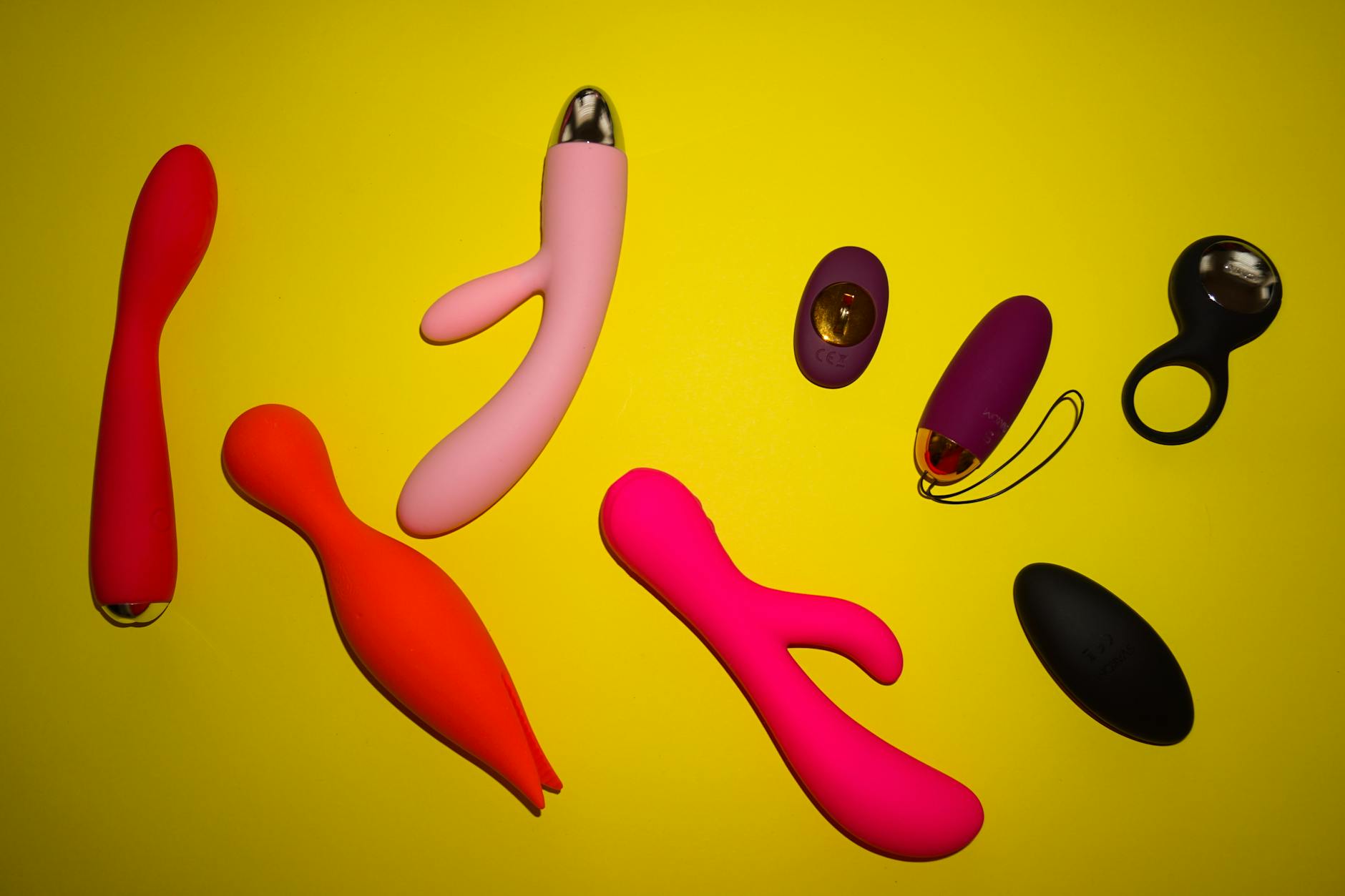
Photo by FounderTips on Pexels
Lubrication becomes your baseline, not optional
On hormonal birth control, natural lubrication was usually automatic. Off it, you're working with less. This doesn't mean you're broken. It means your body is producing the amount it's supposed to, and that amount might be less than the pill was providing.
Use water-based lubricant from the start, even if you don't think you need it yet. Anticipate rather than react. A small amount of lube under and around the external vulva changes how the lemon suction feels. It makes the seal better, the sensation more distinct, and the whole experience less like friction and more like actual stimulation.
Reapply every 3-5 minutes during longer sessions. Your body isn't failing you. You're just supporting it in a new phase.
Warm-up time is longer now
On the pill, arousal often came fast. Off it, patience is the new variable. Budget 15-20 minutes of foreplay, teasing, or mental build-up before you even turn on the lem vibrator.
This is where a partner comes in handy. If you're with someone, let them know this is happening. "My body is recalibrating right now, and I warm up slower" is a useful conversation. It reframes what could feel like rejection ("Why aren't you getting turned on?") into logistics ("Okay, we have more time for foreplay").
If you're flying solo, use this as permission to engage more. Read something arousing. Explore your own body first without the vibrator. Find the psychological angle that clicks right now. Off-pill arousal often feels more psychologically driven and less automatic, which means your brain is doing more of the work. That's not worse. It's just different.
Pattern sensitivity shifts
The pattern that was your goldmine on the pill might feel overwhelming now. The gentle one you ignored might become your favorite.
On hormonal birth control, tissue is less responsive, so faster, more intense patterns made sense. Off it, with more testosterone in your system and tissue more alert, you might find medium-speed patterns hit better. Rhythmic patterns (rather than chaotic ones) often feel more satisfying during this transition because they let your arousal build predictably.
Spend a week testing each pattern at low intensity. You're not hunting for the same sensation you remember. You're discovering what your current body responds to. This exploration is part of the recalibration. It matters.
Your cycle now affects everything
This is the big one. On the pill, your cycle was artificial and flat. Off it, your cycle is back, and it changes pleasure week to week.
In the follicular phase (first two weeks after your period), estrogen rises and testosterone peaks. Arousal is usually easier. Sensation might feel less acute. Patterns that felt too much two weeks ago might be just right.
In the luteal phase (second half of the cycle), progesterone dominates. Arousal takes more effort. Tissue is more sensitive. The gentle patterns feel better. Orgasms might take longer or require different timing.
Your lemon vibrator isn't the variable. Your cycle is. Knowing this, you can adjust your approach month to month. You're not chasing one "right" way to use it. You're tracking what works with where you are in your cycle right now.
If pleasure drops off entirely
Sometimes quitting hormonal birth control triggers mood shifts, anxiety, or depression. If desire has completely vanished and it's been more than 2-3 months, that's worth checking in with a therapist or doctor. The pill suppresses some mental health stuff and uncovers other stuff. That's a separate conversation from pleasure mechanics.
But if arousal is just slower and sensation is just muted, that's the normal adjustment. It passes. Your body is finding equilibrium.
When to adjust your approach after 3 months
By month 3, your cycle should feel more regular. Ovulation is predictable again. Lubrication patterns are settling. This is when you can actually dial in what your current baseline is.
If you're still finding that your favorite patterns feel too intense, your arousal is slower, and you're needing more lube than expected, that might signal you're someone who benefits from using a lemon vibrator differently than the pill-era version of you did. And that's fine. Pleasure evolves.
Many people report that off-pill pleasure is actually richer. The highs are higher. Orgasms feel more full-bodied. Desire feels more personal and less chemically flattened. You're not there yet, but you might get there.
Your pleasure isn't the same as it was on the pill. It's not worse. It's becoming yours again.
What about restarting with a partner
If you quit birth control because you and a partner want to try for pregnancy, pleasure often gets tangled with pressure. This is where how to use a lemon vibrator when you and your partner have different pleasure timelines becomes relevant. The dynamics shift when sex becomes goal-oriented.
If you quit for other reasons (side effects, wanting to feel your natural cycle, relationship ended), pleasure can actually be more exploratory. You're not on anyone else's timeline. You get to notice what your body actually wants rather than what hormones were telling you to want.
The recalibration is temporary
Most people settle into a new baseline within 3-6 months. Your cycle becomes predictable. Your arousal patterns feel normal again, just different from the pill version. Your lemon vibrator practice stabilizes.
This transition period is not forever. But it's also not something to white-knuckle through. You're not "broken" or "too sensitive" now. You're adjusted to your actual hormones instead of synthetic ones. That's worth honoring.
If you find pleasure isn't returning after 6 months, or if you're experiencing pain, that's a good moment to check in with a gynecologist. Most of the time, it's just your body finding its footing. Sometimes there's something else worth exploring. Either way, you deserve support.
FAQ
How long does it take for arousal to return after stopping birth control?
Most people notice changes within 2-3 weeks. Testosterone rises relatively fast. Full hormonal rebalancing takes 3-6 months, especially as your cycle settles into a rhythm. Arousal might feel different during this time, not necessarily "back to normal," which is why patience and curiosity matter more than expectation.
Should I use lube with my lemon vibrator after quitting hormonal birth control?
Yes, always. Off the pill, natural lubrication is less automatic, especially early in your cycle. Water-based lube improves sensation by creating a better seal around the clitoral suction on the lem vibrator. It's not a sign you're broken. It's supporting your body through a transition.
Will my favorite vibrator patterns feel different off birth control?
Very likely. On synthetic hormones, tissue is thicker and less responsive, so you might have preferred faster patterns. Off hormones, with more natural testosterone and alert tissue, gentler or rhythmic patterns often feel better. This shifts throughout your cycle too. Testing patterns again is part of recalibration, not a problem.
Can I use a clitoral vibrator while I'm quitting birth control?
Absolutely. Using a lemon vibrator or other clitoral vibrators during this transition is actually helpful. It gives you real-time feedback on how your body is responding. Start gentle, use lube, and notice what feels different. You're not relearning pleasure. You're discovering what your natural body prefers.
Is low desire after stopping the pill normal?
Temporary low desire is common, especially in the first 2-4 weeks. Your brain and body are adjusting. Some people also have complicated feelings about quitting, which can affect arousal. If desire hasn't returned after 3 months, or if mood changes feel concerning, that's worth discussing with a doctor or therapist.
Why does my clitoral vibrator feel too intense now?
Your tissue is more sensitive without the dampening effect of synthetic hormones. Testosterone is higher, which makes nerve endings more alert. Try lower patterns and shorter sessions at first. You're not losing sensation. Your body is becoming more responsive, which sometimes feels like oversensitivity early on. That settles.
What you really need to know
Quitting hormonal birth control is a body shift, not a pleasure shift. Your lemon vibrator is the same tool. You're the variable. And that's the good news. You get to discover what your actual body wants, not what hormones were telling you to want. That discovery takes time. It's worth it.
If you're struggling with the emotional side of this transition, or if pleasure isn't returning after months, reach out. We're here to help.