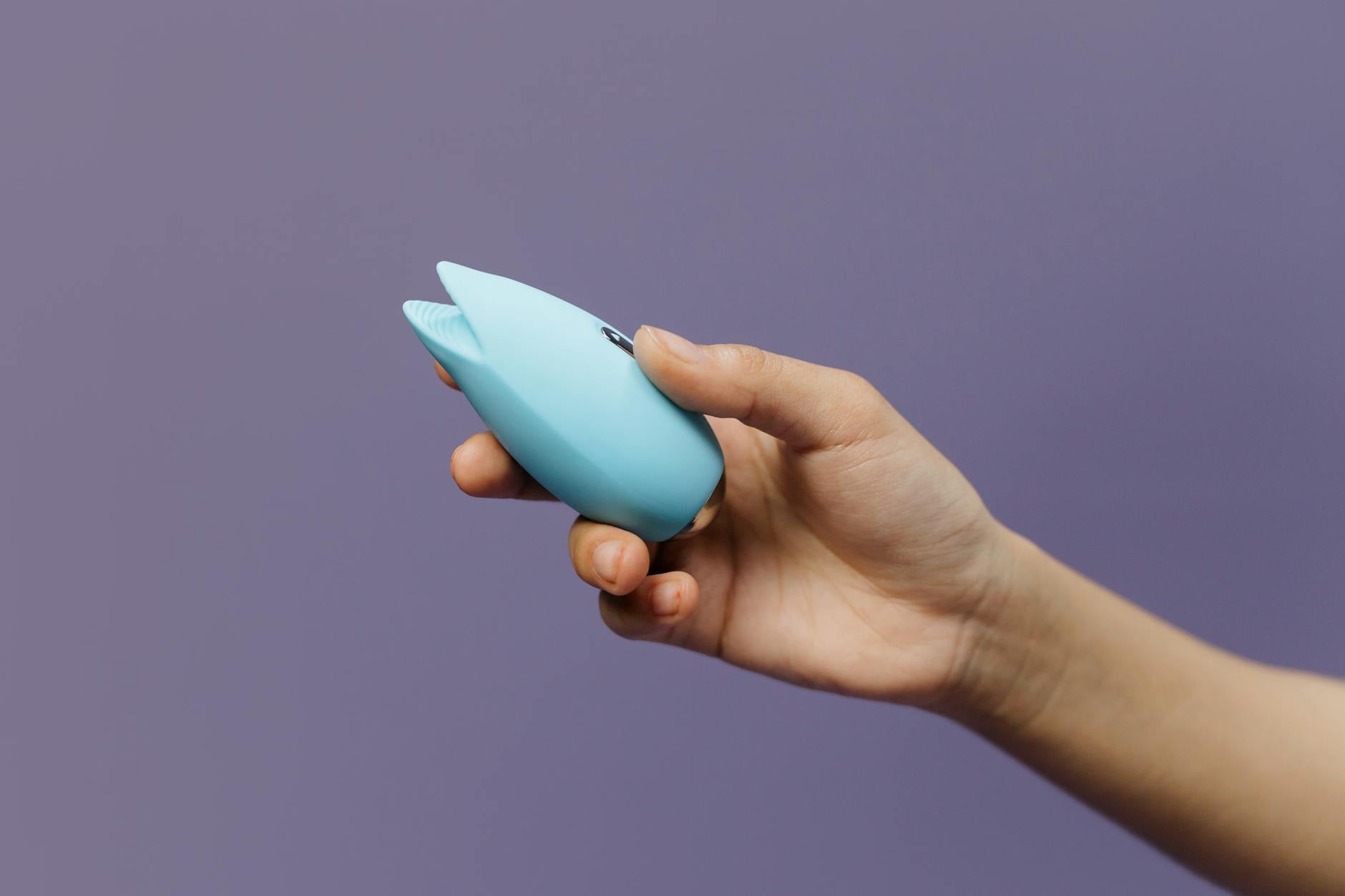
Let's be real about injury and pleasure
Injury scrambles your relationship with your body in ways that go way beyond the physical damage itself. Whether it's a sports injury, surgery, an accident, or chronic pain from treatment, your nervous system learned to protect that area. Your brain became hypervigilant. Pleasure often feels like a luxury you can't access right now, or worse, something you're not supposed to want.
Here's what I know from years of working with people navigating recovery: reconnecting with pleasure is not frivolous. It's part of healing. And lemon vibrators, particularly lemon clitoral vibrators with their precise suction pattern, can help you rebuild sensation and confidence in ways that feel genuinely safe.
Why injury changes how pleasure feels
Injury doesn't just damage tissue. It rewires your nervous system's threat detection for a while. The area around the injury stays protected, even after the initial healing is done. Your brain essentially asks: is this safe yet? Your body answers: I'm not sure.
This shows up as numbness, tingling, hypersensitivity, or that weird dissociated feeling where you're present but not quite in your body. It also shows up as low arousal, difficulty reaching orgasm, or sensation that feels muted compared to before.
Add in the psychological layer. If the injury happened during sex or to a sensitive area, you may be carrying anxiety or avoidance around pleasure itself. Many people I work with find their desire hasn't disappeared. It's just buried under fear.
Why lemon vibrators work well during recovery
Lemon clitoral vibrators operate through suction and pulsation rather than pure vibration. That matters during recovery because suction distributes pressure across a wider tissue area instead of concentrating it in one spot. This feels safer to a nervous system that's still learning to trust its own body again.
The suction pattern also activates sensory nerves in a way that bypasses some of the protective tension your body learned to hold. You're not fighting against clenching. You're creating a signal your nervous system recognizes as pleasant stimulation, which gradually retrains threat detection.
Secondly, lemon vibrators give you fine-grained control. Most models have multiple intensity levels and pattern variations. During recovery, starting at level one matters. You're not rushing. You're negotiating with your nervous system.
Thirdly, the lemon design itself is non-threatening. It looks less clinical than a traditional wand, less clinical than medical equipment you've probably seen too much of lately. That small psychological shift matters more than it sounds.
Starting again after injury. The actual steps
Step one: Wait until basic healing is done. I'm not a doctor, so check with yours first. But generally, once you're cleared for normal activity (walking, everyday movement, whatever your injury was), you're likely cleared for gentle exploration.
Step two: Start with zero pressure on the injured area. If your injury was to your leg, hip, back, or anywhere not the vulva itself, this is easier. If the injury was closer, give yourself even more time. There's no prize for speed here.
Step three: Begin with the clitoral area only, on the lowest setting. Not because you can't eventually use a lemon vibrator with internal stimulation, but because external sensation is safer, easier to control, and easier to pause if your nervous system feels threatened.
Step four: Keep sessions short. Ten to fifteen minutes max at first. You're teaching your nervous system that pleasure is safe, not that pleasure has to achieve anything. Many people find that shorter, more frequent sessions work better than one long session while recovering.
Step five: Use it in a context where you feel safe. Alone is often easier during recovery. No pressure to finish, no performance expectation, just exploration.
What to expect (and what might feel weird)
Sensation might come back in phases. First, you might feel numbness giving way to tingling. That's your nervous system waking up. Then comes a return to normal sensation. Then pleasure. It's not always linear, and it's not always fast.
You might find that you feel pleasure initially, then anxiety afterward. This is common and temporary. You're asking your body to do something it learned to be afraid of. That takes repetition and patience.
Some people experience what's called referred sensation: pleasure in the area they're stimulating creates sensation elsewhere in the body. That's your nervous system learning to map pleasure again across the whole body. It's a sign recovery is happening.
You might also discover that you enjoy different patterns or intensities than before the injury. That's not weird. Your nervous system is genuinely different. What felt good before might not anymore. What didn't appeal to you before might now. You get to update your own map.
The emotional part (which is actually the hard part)
Injury often comes with loss. Loss of what your body could do, loss of confidence, sometimes loss of sexual identity or capability. Pleasure can feel like rubbing salt in that wound at first.
Give yourself permission to grieve that. Then, separately, give yourself permission to explore what's possible now. These two things can coexist. You can miss what was and be curious about what's coming.
If you're in a partnership, the conversation matters too. Your partner doesn't need to know every detail of your recovery process, but they do need to know you're rebuilding your relationship with your own pleasure. If they're present during that, ground rules help: no pressure, no expectation, no surprise. Let them know what helps and what doesn't.
When to add more complexity
Once you've had multiple sessions where you feel pleasure without anxiety afterward, you can start experimenting with different intensities or patterns on your lemon vibrator. Many people find that the suction patterns work better than pure vibration during recovery, so explore those first.
If you want internal stimulation eventually, take the same slow approach. Many people find that pairing internal sensation with the suction from a lemon clitoral vibrator creates a more complex, richer sensation. But there's no rush.
If pain appears during or after use, that's your signal to pause and give yourself more time. Pain is different from discomfort or nervousness. Pain means something isn't ready yet.
The bigger picture
Injury recovery and pleasure recovery aren't always the same timeline. Your tissue might be healed, but your nervous system needs more time. That's normal. You're not behind. You're not doing it wrong.
Using a lemon clitoral vibrator during this time is a concrete act of self-care and self-reclamation. You're telling your nervous system: my body is mine. Pleasure is possible. We can learn to trust again. That's genuinely powerful.
Start small. Be patient with yourself. Your sensitivity will return, often stronger and more nuanced than before. Your pleasure matters, especially during recovery.
People also ask
How long after an injury can I use a vibrator?
Talk to your doctor, but generally once you're cleared for normal daily activities, you can begin gentle exploration. That might be two weeks after minor surgery or several months after a significant injury. Listen to your body more than a timeline. If your nervous system feels activated (elevated heart rate, anxiety, tension) during pleasure, you probably need more time.
Can I use a lemon vibrator if the injury is near the genital area?
Yes, but give yourself more time first. If the injury was to the vulva, perineum, or pelvic floor, your nervous system has even more reason to be protective. Start with stimulation at least an inch away from the injury site. Gradually move closer as your system feels safer. This process might take weeks or months. That's fine.
Should I tell my partner I'm using a vibrator during recovery?
That depends on your relationship and communication style. Many couples find it helpful to know, especially if intimacy is part of the recovery conversation. But you don't have to share every detail. If your partner needs to understand your pleasure recovery isn't about them or your relationship, that conversation is worth having separately.
What if I feel numbness even with the vibrator?
Numbness during recovery is extremely common. Your nervous system is protecting that area. Keep using the vibrator gently, but consider adding other sensations: massage with a hand, ice and warmth contrast, texture exploration. Multi-sensory input helps wake up numb areas. If numbness persists beyond six months post-injury, mention it to your doctor.
Can I use different patterns on my lemon vibrator during recovery?
Absolutely. Once you've established that basic stimulation feels safe, exploring patterns helps your nervous system recognize pleasure through variation. Many people find that the softer, pulsing patterns feel safer during recovery than the steady vibration patterns. Experiment and notice what your body actually wants.
Is it normal to feel anxious after using a vibrator during recovery?
Yes. You're asking your body to do something it learned to be afraid of. That anxiety usually fades with repetition. If it intensifies over time or becomes overwhelming, that's a signal to slow down or talk to a therapist about your relationship with the injury itself. Sometimes pleasure recovery is tangled up with trauma recovery.
Your body remembers how to feel good
Injury is temporary, even when it feels permanent. Your capacity for pleasure, sensation, and comfort is waiting for you on the other side. A lemon vibrator, used gently and consistently, can be the bridge that gets you there. Start today. Start small. Your body will meet you there.