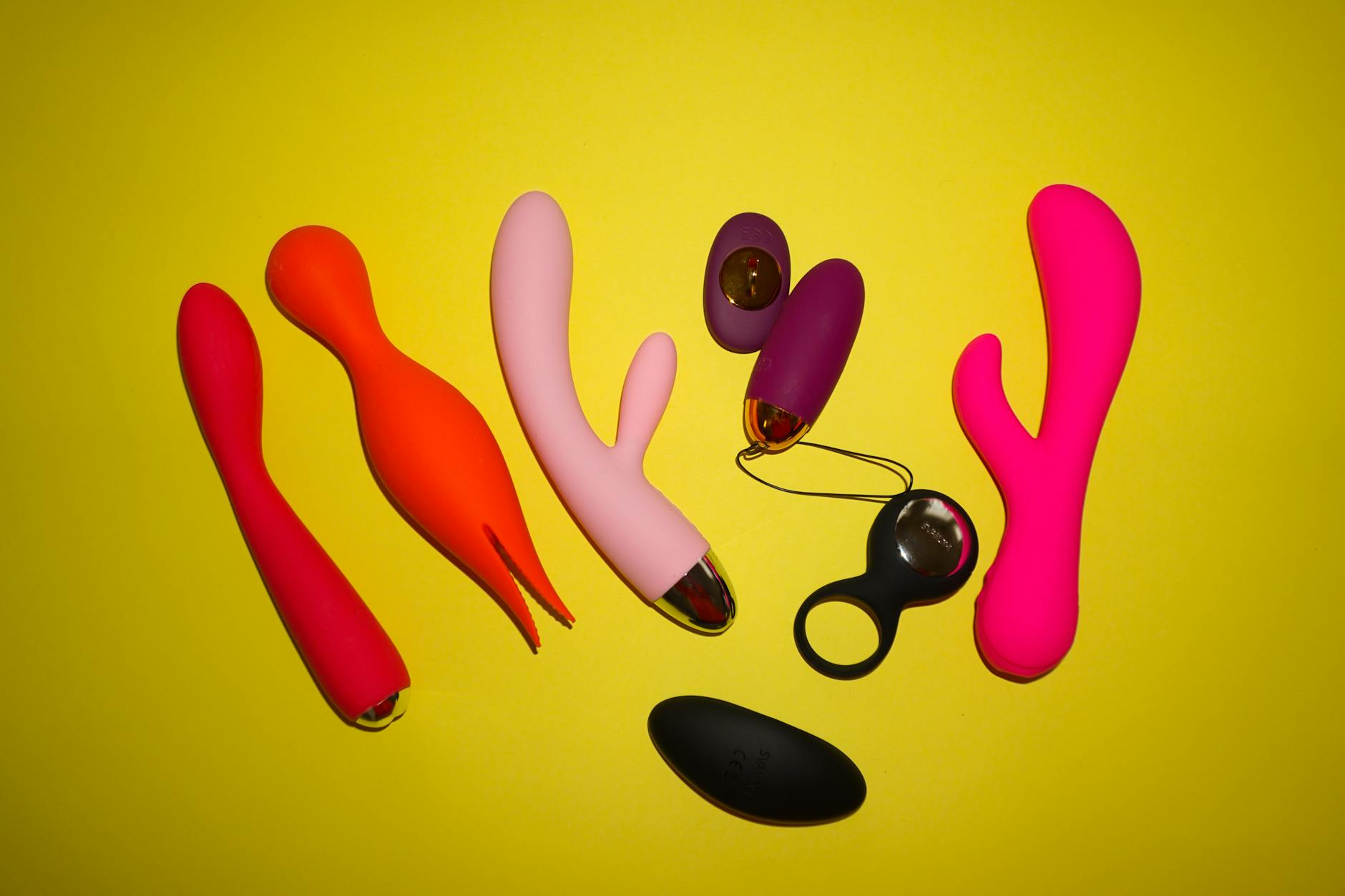
Let's be real about the switch
You've spent years, maybe decades, getting exactly what you need with your hand. You know the pressure. You know the rhythm. You know where to aim. Then someone suggests a lemon vibrator or you pick one up out of curiosity, and suddenly nothing feels right. It's too strong, or too buzzy, or the angle is weird, or it just feels like a replacement instead of an upgrade.
That's normal. And it doesn't mean vibrators aren't for you. It means you're trying to use someone else's tool with your own body's instructions.
Why your hand and a vibrator feel completely different
Your fingers do three things a vibrator does only one or two of. Your hand provides pressure, movement in multiple directions, and vibration all at once. You adjust the angle mid-stroke. You shift intensity based on what your body tells you in real time. A lemon clitoral vibrator, even a great one, provides vibration and sometimes gentle suction, but it doesn't read your micro-adjustments. It doesn't know you're approaching the edge and need a lighter touch right now.
That's actually a feature, not a bug, once you get used to it. Because it means your vibrator can handle the heavy lifting while your brain gets to focus on sensation instead of technique. But the transition period is real, and it requires patience.
Start with the lowest setting, not the "fun" one
I'm serious. If your lemon vibrator has eight patterns, start with pattern one. Use it for a full session. Don't jump to pattern three because it feels "more like something" or because you're curious.
Low intensity lets you feel what's actually happening without overwhelming your nerve endings. You're gathering information. Pattern one might feel like nothing at first. That's fine. Use it for five to ten minutes anyway. Your sensitivity will adjust. Your body will start to recognize the sensation as pleasure instead of novelty.
Once pattern one feels good for multiple sessions, try pattern two. Yes, I'm talking about going slowly. You've spent years building comfort with your hand. Two weeks of patience with a vibrator is not a waste.
The angle thing is more important than you think
Your fingers can work from any angle because they're flexible and responsive. A vibrator needs to sit in the right spot. Most people find that direct contact on the clitoris itself can feel too intense or uncomfortable, especially early on.
Try angling the tip of your lemon vibrator so it's hitting the hood of your clitoris or the upper side, not the glans directly. This diffuses the sensation across a wider area. You can also try placing the vibrator just beside the clitoris instead of directly on it. Half an inch matters.
If one angle doesn't work after a few tries, move it slightly and try again. This is detective work, not a performance.
Lubrication changes everything with external vibration
Water-based lubricant with a vibrator is not a luxury. It's a game changer. Lube reduces friction, makes the vibration feel more continuous, and actually helps sensation spread across a wider area. Your body's natural lubrication might be fine for your hand, but it's usually not enough for a vibrator to feel good.
Use a little more than you think you need. A dime-sized amount is a starting point, not a limit. Reapply halfway through a session if sensation starts feeling scratchy or dry.
The mental piece might be bigger than the physical one
Switching tools feels weird because of how much intentionality you've poured into your hand-based practice. Your hand is yours. A vibrator is external. Some people experience that external sensation as a loss of control, at first. That's worth naming.
Part of the transition is giving yourself permission to not have to orchestrate every sensation. You're not handing off your pleasure. You're changing the instrument. A pianist switching from an upright to a grand piano is still making music, just with a different touch response.
Combining manual and vibration works better than choosing one
You don't have to abandon your hand technique. In fact, the best approach during transition is to use both. Some people use a lemon vibrator for the build-up phase, then switch to their hand for the finish. Others do the reverse. Some people use the vibrator on the external area while using a finger internally.
There's no rule that says it's vibrator-only or manual-only. Mix them. Your body will figure out what combination actually works for you.
Give yourself at least three weeks before deciding
I know three weeks sounds long. But your nervous system needs time to reclassify vibration as pleasure instead of novelty. Most people who dislike vibrators after a single session change their mind completely after a few weeks of regular use at low intensity.
Set a threshold. Use your lemon vibrator at least three times a week for three weeks, always starting at the lowest setting. If it still feels wrong after that, then you have real data. But most people find that by week three, something clicks. The sensation stops feeling foreign.
When external stimulation isn't enough on its own
Some people need internal stimulation alongside external vibration to orgasm, especially during transition. If the clitoral vibrator alone isn't getting you there, try using it while penetrating yourself with a finger or a smaller toy. This triggers the full pelvic floor engagement that leads to orgasm for many people.
This isn't a sign that your lemon vibrator isn't working. It's just information about how your body prefers to be stimulated. Combined stimulation is not the consolation prize. It's a legitimate preference.
Rhythm and patterns are not the same thing
Rhythm is the beat. Pattern is the texture of vibration. Your hand probably worked at a pretty steady rhythm. A lemon vibrator's patterns might pulse, ramp, or flutter. Try each pattern for at least two minutes before dismissing it.
Some people love steady patterns. Others find them boring and need the pulsing or ramping effect. What feels weird on first try often becomes your favorite after you've gotten used to it. Don't judge based on the first 30 seconds.
You might need a different intensity level than you expect
People who like a firm hand grip sometimes assume they need a high-intensity vibrator. They don't. Firmness and vibration intensity are different variables. A medium-intensity lemon vibrator with good pressure against your body might feel better than maximum intensity with light contact.
This is why starting low and working up matters so much. You can't unring the bell on high intensity. If you start at pattern five and it's overwhelming, you've sensitized your nerve endings. You'll need to take a break before you can properly feel the lower settings.
The refractory period changes with vibrators
Your hand usually requires a recovery break. Some people can have multiple orgasms with a vibrator more easily than they could with manual stimulation. Some people find the opposite is true. Notice what your body actually does instead of expecting it to mirror your hand experience.
If you feel like you can go again right away, you can. If you need a break, take one. There's no single correct pattern for how multiple orgasms should work.
Common blockers and how to handle them
If the sensation feels numb or desensitizing, you're probably at too high an intensity or you've been going too long. Scale back to a lower pattern and shorter sessions. Numbness is your nervous system saying the stimulation is too much.
If you're not getting aroused at all, the tool might not be the problem. Stress, medication, relationship issues, or just not being in the mood are more common culprits than a bad vibrator. Try using it when you're already turned on, not as the starting point.
If one specific pattern keeps throwing you off, skip it. You don't have to use every mode on your device. Find the one or two that work and stick with them until you're comfortable exploring more.
FAQ
How long does it actually take to get used to a lemon vibrator if you've only used your hand before?
Most people notice a shift in comfort level around week two or three of regular use. Some people click within a few days. Others need four to six weeks. The variable is usually how much pressure you prefer and whether your body associates external vibration with pleasure or overstimulation. Starting at the lowest setting and working up slowly compresses this timeline significantly.
Is it normal to feel nothing the first few times with a vibrator?
Completely normal. Novelty creates a kind of sensory static. Your nervous system is trying to figure out what it's receiving. After a few sessions, the sensation becomes recognizable, and then it becomes pleasurable. This is why the "three-week rule" matters. You're not waiting for something magical. You're waiting for your body to integrate a new type of input.
Can I permanently lose sensation from my hand if I start using a vibrator?
No. Your hand sensation doesn't atrophy. But some people find that after using a vibrator regularly, their hand alone feels less satisfying. That's because your nervous system adapts to the new input. You can absolutely go back and forth, though. Many people use vibrators sometimes and their hand other times.
Should I use a vibrator alone or try it with a partner watching?
Solitude is probably better for the first few sessions. No pressure, no audience, no one wondering why you're spending five minutes on pattern one. Once you know what works, partnered use is great. But the early exploration is easier alone.
What if the vibrator brand I choose doesn't work for my body?
Then you've learned that particular vibrator isn't your tool. That doesn't mean no vibrator is your tool. Different clitoral vibrators have different shapes, intensity ranges, and sensation profiles. If one lemon vibrator didn't work after a fair trial, trying a different style is completely reasonable. The Lemon Toy Store offers different designs that work better for different body types and preferences.
Is it weird to prefer vibrators once I've switched?
Not at all. Some people find that vibrators just feel better. Others prefer their hand. Many people like both. There's no correct preference. What matters is what feels good to your body, and that can change over time.
The real transition
Switching from manual stimulation to a lemon vibrator isn't about replacing skill with a gadget. It's about learning a new language for your own pleasure. Your hand will always be available. But having another option means you get to choose based on what you actually want that day, not what you're practiced at.
Give yourself the time, the patience, and the permission to be a beginner again. Your body knows how to feel good. It's just learning a new vocabulary.
If you're navigating other changes alongside this transition, like returning to pleasure after a long break or dealing with medication effects, you might find those stories helpful too. And if you have specific questions about using a vibrator with your particular situation, reach out to the team at Lemon Toy Store through our contact page. We're here to help.