
Let's start with the hard truth
Vaginismus and pelvic floor dysfunction rob you of pleasure not because your body can't feel it, but because the muscles controlling access to sensation have locked down. The nervous system sees penetration or pressure as a threat and clenches. It's a reflex, not a choice, and it's wildly more common than anyone admits.
The good news: clitoral vibrators like the Lem work differently than penetrative devices. They bypass the pain trigger entirely.
Why the pelvic floor tightens in the first place
Your pelvic floor is a hammock of muscles that supports your bladder, bowel, and reproductive organs. It's meant to contract and release. When it locks up, it's because:
Trauma or anxiety. Past sexual pain, assault, or relationship stress teaches the nervous system to guard that area.
Overuse or tension. Some people chronically clench their pelvic floor the way others grind their teeth. It becomes the default state.
Medical conditions. Endometriosis, IBS, or even poor posture can rewire the muscles into constant contraction.
Medication side effects. Antidepressants, antihistamines, and hormonal birth control can reduce lubrication and increase tension sensitivity.
The result: any pressure or penetration triggers a protective clench. Pleasure doesn't stand a chance because the nervous system is in defense mode, not receive mode.
Why clitoral vibration changes the equation
The clitoris has its own nerve pathway separate from the vaginal entrance. When you use a lemon clitoral vibrator like the Lem, you're stimulating those external nerves without demanding anything from the pelvic floor muscles.
Think of it this way: vaginismus is a bouncer at the door. A vibrator that requires penetration is trying to argue with the bouncer. A clitoral vibrator walks past the door entirely and goes straight to what's already willing to respond.
Air-suction vibrators work especially well for this because they create a gentle seal around the clitoris without the sharp intensity of direct vibration. The sensation is diffuse, less likely to trigger an anxiety response, and often easier to control.
Building nervous system trust before pleasure
Here's the thing about pelvic floor dysfunction: your body doesn't trust stimulation right now. You need to rebuild that trust slowly.
Start in a comfortable position. Lying flat on your back is often the worst choice because it puts you in a vulnerable posture. Sit propped up, or lie on your side with pillows under your hips. Your body needs to feel safe, not exposed.
Begin with zero expectation of orgasm. This isn't about the finish line. It's about teaching your nervous system that sensation doesn't equal danger. Spend three to five sessions just noticing what the vibration feels like, where it feels good, where it creates tension. No goal. No performance.
Use the lowest setting. Patterns 1 or 2 on the Lem are your friends. Let the sensation be subtle enough that you're curious, not overwhelmed.
Practice breathing. Tension lives in breath-holding. If you notice yourself holding your breath, pause, inhale for four counts, exhale for six. This activates the parasympathetic nervous system. the one that allows pleasure.
The role of lubrication in this specific situation
People with pelvic floor tension often have reduced lubrication because anxiety dries everything out. But here's what matters for clitoral stimulation: you need less external lube than you'd think.
The clitoris self-lubricates when aroused, and the suction action of a device like the Lem actually draws blood and fluid to the area. That said, a tiny bit of water-based lubricant on the external area can reduce friction and make the sensation feel safer to your nervous system. It's not about need. It's about comfort cues.
Apply lube to the Lem itself or to the clitoral area, not inside the vagina. You're avoiding any sensation of internal pressure.
When to work with a pelvic floor physical therapist
If you've had vaginismus or pelvic floor dysfunction for more than a few months, or if it's linked to trauma, a pelvic floor PT can accelerate healing. They teach you exercises to release the chronic tension and help retrain the nervous system to tolerate sensation safely.
That work and vibrator exploration aren't competing. They work together. Physical therapy loosens the muscular habit. Clitoral stimulation rebuilds the neural pathway that says pleasure is possible.
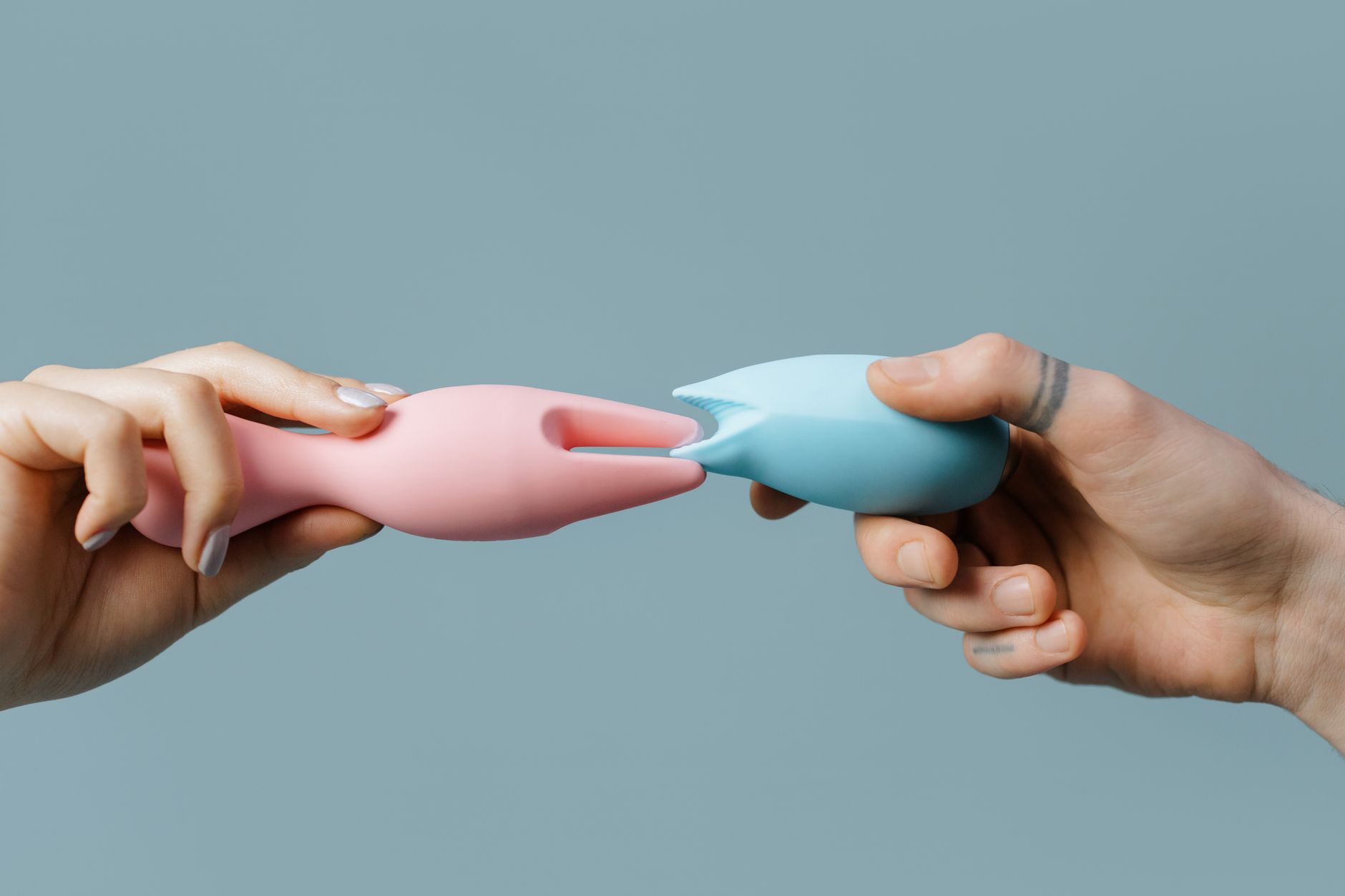
Photo by cottonbro studio on Pexels
Moving from solo exploration to partnered pleasure
If you're in a relationship, your partner needs to understand this isn't about them or your desire for them. It's about retraining your body's safety response.
Start your exploration alone. Build the neural pathway solo first. Once you can reliably experience pleasure without tension, then you can involve a partner. Have them present but passive at first. Just sitting nearby while you use your vibrator changes the energy without adding pressure.
Many people find that having a partner present during early exploration actually deepens trust because the partner sees the work you're doing to reclaim pleasure. It's not rejection. It's healing.
The mindset shift that actually changes things
Here's what I see most often in my practice: people with pelvic floor dysfunction spend years waiting for their body to change so they can deserve pleasure. It's the wrong direction.
Your body changes when you give it consistent, gentle, pressure-free pleasure experiences. A lemon clitoral vibrator is permission. Not someday. Now.
Start this week. Pick a time when you're rested and alone. Use the Lem on the lowest setting for ten minutes. Notice what happens. Do this three times before you expect anything.
Tension heals in steps, not in one dramatic moment. Each time you experience sensation without pain, your nervous system updates its threat assessment. That's how you rewire vaginismus.
Pleasure is information your nervous system uses to rebuild trust in your own body.
FAQ: Common questions about pelvic floor dysfunction and vibrators
Can a vibrator actually make vaginismus worse?
Only if you're using the wrong approach. If you're forcing penetration or using a vibrator that creates intense internal pressure, yes, you can trigger more clenching. That's why starting with external clitoral stimulation is strategic. Air-suction devices like the Lem avoid internal pressure entirely, making them one of the safest entry points for rebuilding pleasure.
How long does it take to see improvement?
Most people notice a shift in sensation within two to three weeks of consistent, gentle exploration. Full rewiring of the nervous system takes longer, sometimes two to six months, depending on the severity and whether you're working with a physical therapist. Patience is the real work here.
Should I try penetration if my pelvic floor starts to relax?
Not yet. If you're working with a PT, they'll give you a progression. If you're going solo, stay with external clitoral work until you can reliably experience pleasure without any tension or pain signals. Jumping to penetration too early can re-traumatize the system. Slow is actually fast in this situation.
Does orgasm matter if I have vaginismus?
No. In fact, chasing orgasm often triggers the protective clenching because the body senses performance pressure. The goal is sensation and nervous system safety. Orgasms often follow once those are stable, but they're not the point of the first phase of exploration.
Can I use a vibrator if I haven't been sexually active in years?
Yes. Starting with external clitoral stimulation is actually the ideal re-entry point because there's no barrier of performance or pain. You're just relearning what pleasure feels like in your body. A lemon vibrator is gentler than hands and more controllable than a partner, making it the perfect tool for returning to sensation after a long pause.
What if I still feel pain even with external stimulation?
Stop and rest. Pain is information. If external clitoral work creates pain, your nervous system might need more time or different support. Consider talking to a pelvic floor PT before continuing. You may need therapeutic stretching or breathing work to create enough safety first. There's no race.
Moving forward
Vaginismus and pelvic floor dysfunction aren't permanent. Your nervous system can update its threat assessment. A lemon clitoral vibrator is one tool in that retraining process. It works best when you approach it with patience, when you prioritize safety over performance, and when you let sensation build on its own timeline.
Your body remembers how to feel pleasure. You're just reminding it, one gentle moment at a time.
If you're ready to explore and you want guidance, reach out. That's what we're here for.