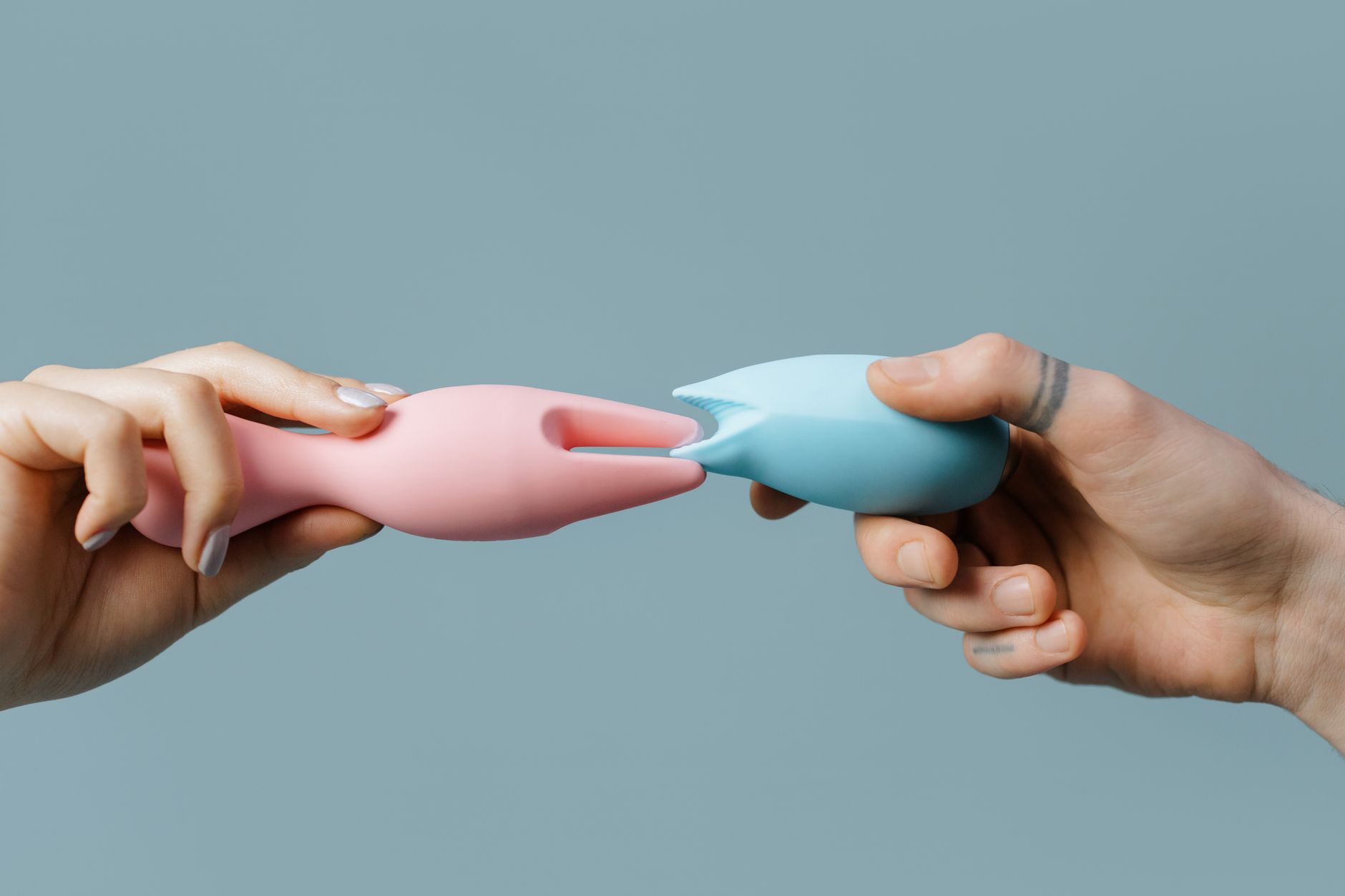
Let's talk about the thing nobody says out loud
You want to bring a toy into bed. Your new partner is... not quite there yet. Maybe they're worried it means something about them. Maybe they're just slower to warm up to new things. Or maybe you're the cautious one and they're excited, and now you feel pressure to match their energy. This mismatch is one of the most common friction points in new relationships, and it's almost never actually about the toy.
Here's what I know from working with couples: desire timelines don't have to match perfectly to work beautifully. But introducing a Lemon vibrator, or any clitoral vibrator, into a relationship with uneven interest requires a specific conversation structure and zero assumptions. Let me walk you through how to do this without creating resentment.
The conversation comes first, the toy comes second
This is non-negotiable. If you're the one who wants to introduce a lemon clitoral vibrator, don't surprise your partner with it mid-intimacy. That's not a fun discovery. That's a test, and tests destroy trust.
Instead, choose a moment outside the bedroom. Not at 11 p.m. when you're both in bed. Not when they're stressed about work. Pick a time when you're both relaxed and can actually think. Say something like: "I've been thinking about trying a vibrator together. I'm curious what you think about that." Then stop talking. Let them respond.
Their first response is usually not their real answer. If they say "Um, sure, I guess," they're not sure at all. That's your cue to ask a follow-up: "What's your gut reaction? Any part of you that feels hesitant?"
Let them name the actual concern. Usually it's one of three: "Will you need it instead of me?" (insecurity), "I don't know how to use it" (performance anxiety), or "I just wasn't expecting this" (overwhelm). Each one gets a different response.
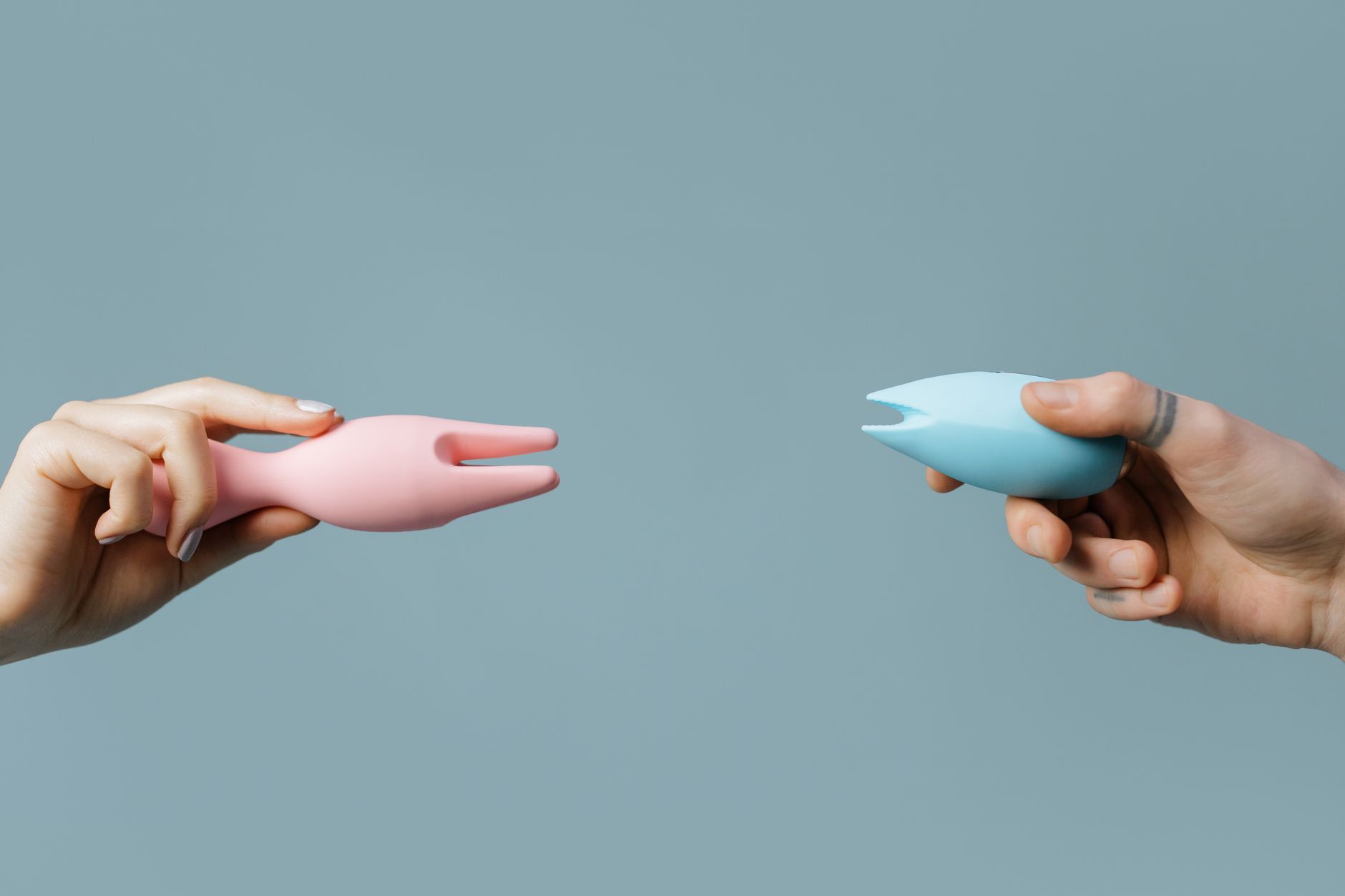
Photo by cottonbro studio on Pexels
If they're worried about replacement
This is the most common hesitation, especially early in a relationship. Their brain is translating "I want to use a vibrator" as "I'm not satisfied with what you provide."
Address it directly. "A vibrator isn't a replacement for you. It's a different kind of sensation. Think of it like... I enjoy your hands, and I also enjoy a massage chair. Both feel good in totally different ways. This is the same thing."
Then here's the key part: involve them in the decision. Don't show up with a Lemon vibrator and expect them to be thrilled. Take them (or send them a link) and say, "I'm thinking about getting one. Which one appeals to you?" By letting them choose, or at least see the options, you're signaling that this is a shared experience, not something you're doing independently.
Once you have the toy, the first time you use it should be together. Not you using it alone while they watch from the side. You using it while they're touching you, kissing you, present with you. The vibrator is an addition to what's already happening, not a replacement.
If they're worried about performance
Some partners hear "vibrator" and think "Oh no, now I have to do more." They feel like they've already failed because they can't make you orgasm without one.
This one's actually easy to fix. "I can have an orgasm with you. I might also have an orgasm with a vibrator. Those aren't competing. You're not being tested." Then mean it. Don't bring it up on nights when you're frustrated about sex. Bring it up when things are already good, when you're feeling connected.
When you do use it together, be explicit about what feels amazing: "I love watching your face when I'm touching you." "I love that you're right here with me." The vibrator becomes part of foreplay, not the main event.
If they just need time to adjust
Maybe your partner isn't opposed. They're just not where you are yet. This is actually the easiest scenario, because it's not about fear. It's about readiness.
Give it time. Mention it casually once or twice, then don't push. Keep your own pleasure going without resentment about whether they're involved. Sometimes people need to see that you're serious about exploring pleasure together before they get curious. Desperation kills desire. Confidence is magnetic.
When they do come around, start small. Don't assume they want you to use it during partnered sex right away. Maybe the first step is just showing them how it works, letting them hold it, understanding that it's not scary or invasive. That's enough for one night.
The rhythm that actually works: introduction phase
Once you have agreement, here's the sequence that most couples report feeling good about:
Week 1: Use the vibrator alone (or with them present, but not on your body yet). Let them see you enjoying it, see that you're relaxed, that it's not a big deal. Chat while you're using it. Show them the patterns on a Lemon vibrator. Make it boring and normal.
Week 2: Use it while they're touching you, but not inside the main event yet. Maybe during foreplay, while you're kissing. Let them feel the vibration against their chest or hand. Desensitize them to the sensation and the concept simultaneously.
Week 3 and beyond: Integrate it however feels natural. Some couples use it as part of penetrative sex. Some use it for solo orgasm while they're doing other things. Some save it for times when they want something different. There's no "correct" way, which is actually liberating.
Managing uneven desire when one of you goes faster
Maybe you're the enthusiastic one and you want to jump to integration immediately, but your partner needs three weeks. Or they want to use it every time and you're like, "This is nice but I like the slower stuff too."
Here's what actually matters: keep talking. Not during sex. During regular life. "How are you feeling about the vibrator now that we've used it a few times?" "Is there a way you'd like to use it that we haven't tried yet?" "Are you ever feeling pressure to enjoy it more than you actually do?"
If one of you is significantly more enthusiastic, the quieter person can get resentful ("Why do they always want this?") or pressured ("Am I supposed to like this more than I do?"). The antidote is checking in regularly and removing the expectation that you'll always want the same things at the same intensity.
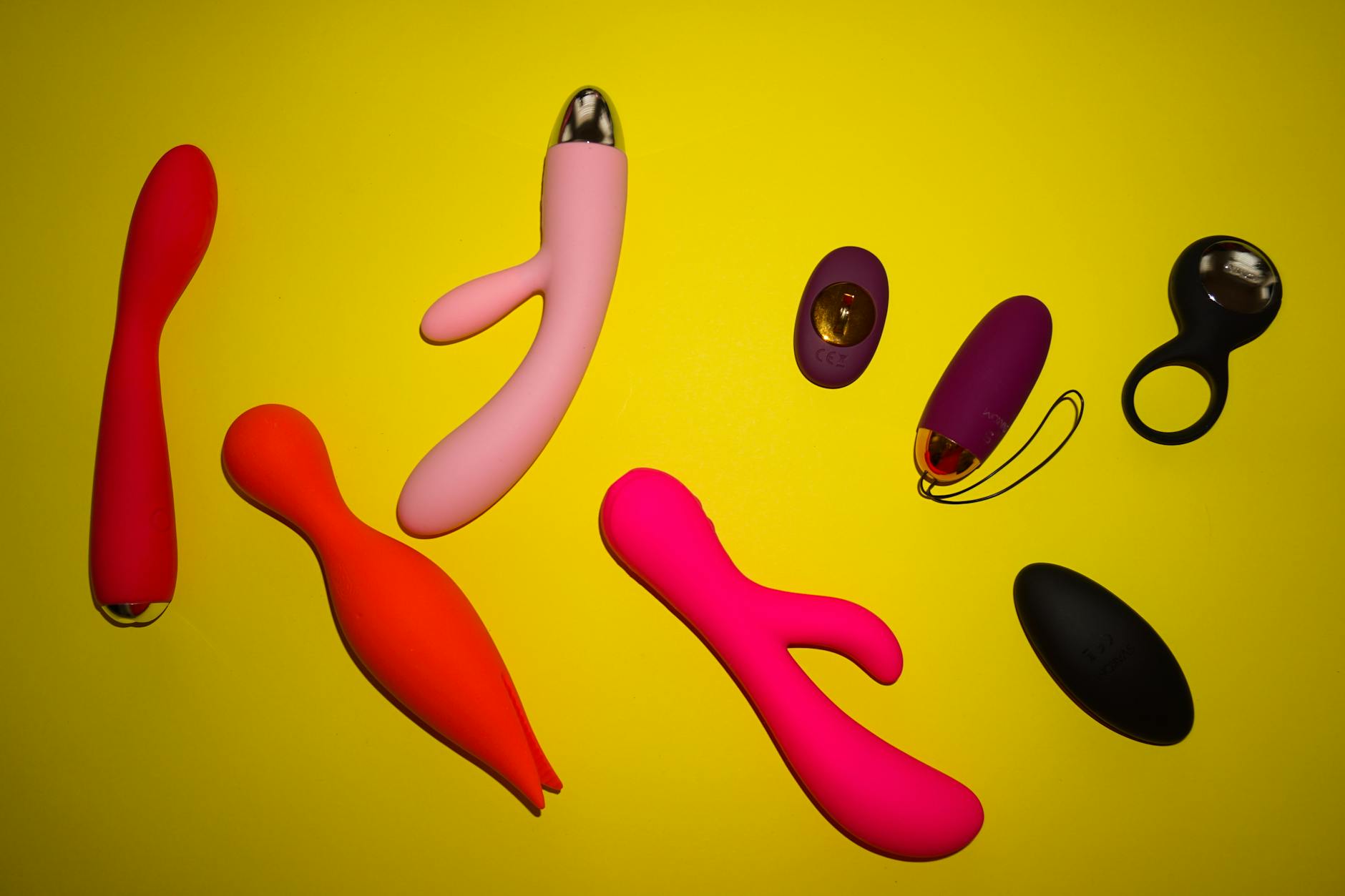
Photo by FounderTips . on Pexels
What mismatched desire actually reveals
Here's something most relationship advice skips: desire differences aren't a problem to solve. They're information. If you want to use a lemon vibrator and your partner doesn't, that's worth understanding. Maybe they have trauma you didn't know about. Maybe they have a different relationship with their body. Maybe they're just wired more conservatively about sex, and that's not a flaw.
Your job isn't to convert them. It's to decide if you can live with where they actually are. And their job is to decide if they can make space for where you actually are.
Sometimes that looks like: "I'm going to use this sometimes, and you don't have to be involved." That's healthy. Sometimes it looks like: "I've tried this and I actually love it. Let's keep exploring together." That's also healthy. Sometimes it looks like: "This isn't for me, and I need a partner whose sexuality looks different." That's the hardest but sometimes necessary outcome.
The practical stuff that matters
Once you're actually using a clitoral vibrator with a partner, a few logistical things smooth the experience:
Clean it before and after. Nothing kills mood faster than uncertainty. A quick rinse with warm water takes 30 seconds and makes everyone more comfortable.
Talk about positioning. If you're using a toy during partnered sex, angles matter. You might need to try a few positions before you find what works. That's not awkward. That's just problem-solving.
Handle the responsibility of pleasure differently. If you're using a Lemon vibrator while they're also pleasuring you, you're both contributing to your orgasm. Make sure you're not leaving them responsible for your pleasure "or else." They're there with you, not doing it for you.
Understand that sometimes it works and sometimes it doesn't. Some nights the vibration feels amazing. Some nights your body doesn't respond the way you expected. That's not failure. That's just bodies.
FAQ: The questions that actually matter
What if my partner thinks a vibrator is a sign I'm not attracted to them?
You need to address this directly and early. Attraction and orgasm capability are different things. You can be wildly attracted to someone and still need or want vibration for orgasm. The two aren't in conflict. Have them ask you: "What specifically worries you?" Then answer that worry, not the concern they didn't voice. If it's "Will you leave me for a toy?" that's a trust issue that might need deeper conversation. If it's "Does this mean I'm not good enough?" that's usually insecurity talking, and reassurance helps.
Is it normal to want a vibrator more than partnered sex sometimes?
Completely normal. Some people are wired to prefer solo pleasure because there's zero performance pressure. That doesn't mean your relationship is in trouble. It means you're in touch with your body. If your partner feels neglected, that's a conversation about frequency and connection, not about the vibrator. A clitoral vibrator is not the problem. Low overall intimacy is.
Should we use a vibrator together on the first sexual experience?
Probably not. Let yourself get to know each other's bodies first. Introduce a toy once you're already comfortable and trust exists. Bringing it in too early can create confusion about what you actually like versus what the toy does. Give yourself two to four weeks of partner sex before expanding the toolkit.
What if they want to use it on me but I don't want that?
You get to say no. You also get to try it anyway to see. If you try it and you hate it, you communicate that without guilt. "I appreciate you being willing, and I don't think this is for me" is a complete sentence. Your partner doesn't need to convince you to like it.
Can a lemon vibrator actually help mismatched desire?
Sometimes. If the mismatch is about different comfort with intensity, yes. A lemon clitoral vibrator can help the person who struggles to orgasm feel more confident, which can reduce anxiety and actually build desire. But if the mismatch is about interest levels or emotional disconnection, no toy fixes that. You have to fix that in conversation and presence.
How do I know if the timing is right to introduce this?
Ask yourself: Do I feel safe being vulnerable with this person? Can they hear something about my sexuality without making it about themselves? Have we had at least one genuine conversation about sex that didn't happen in the bedroom? If all three are yes, the timing is probably right.
The actual truth about desire timelines
Mismatched desire with a new partner is information, not a problem. It tells you something about how you each relate to pleasure, risk, and intimacy. Some couples align over time. Some stay beautifully different and learn to navigate that. Some realize they're not compatible.
A lemon vibrator won't fix relational misalignment. But it can deepen intimacy if you bring it in with honesty, patience, and the understanding that both of you are figuring this out together. The conversation matters more than the toy. The presence matters more than the performance.
If you're feeling stuck on how to introduce this, reach out. We're here to help you think through the specific dynamics at play in your relationship.