
Here's the thing about sensitive tissue
Not all vibrators feel the same. And not all vibration patterns are equally kind to delicate skin. If you've ever tried a toy that felt too intense, too overwhelming, or just plain uncomfortable, you're not alone. The issue isn't you. It's usually the mechanism.
Most clitoral vibrators work through direct vibration, which means the motor creates tremors that transmit straight through the toy and into your tissue. This feels sharp. It can numb sensation over time. And for anyone with sensitive vulva skin, it can be outright painful.
Lemon clitoral vibrators work differently. They use suction. And suction changes everything.
How suction-based stimulation actually works
Instead of vibrating against tissue, a lemon vibrator uses air pulse technology to gently cup and release your clitoris in rhythmic waves. Think of it less like a jackhammer and more like a gentle mouth. The suction creates a seal, then pulses air in and out, stimulating the entire clitoral complex (not just the external tip).
This matters because your clitoris isn't just what you see. The visible part is about the size of a pea. But the full structure extends internally, with branches that wrap around the vaginal opening. A lemon vibrator stimulates that whole network without the friction.
The result is a different kind of intensity. Deeper. Fuller. Less likely to create numbness.
The tissue advantage: why friction matters
Here's the biology part. Your clitoral tissue contains some of the most sensitive nerve endings in your body. But it's also some of the most delicate. The skin is thin. The structure is packed densely with nerve endings, which makes it incredibly responsive but also prone to overstimulation.
Direct vibration creates friction. Friction causes compression of those nerves, which feels intense at first but can lead to temporary desensitization. It's the same reason your foot falls asleep if you sit on it too long. Pressure cuts off sensation.
Suction, by contrast, lifts and releases tissue gently. There's no sustained pressure point. The stimulation spreads across a wider area. And because the motion is rhythmic rather than jittery, your nervous system processes it as pleasurable rather than overwhelming.
Why this changes the sensation experience
If you've used traditional vibrators and felt numb after ten minutes, you've experienced overstimulation. Your body's way of protecting itself is to dial down sensation. Once that happens, you need more intense stimulation to feel anything, which creates a frustrating cycle.
With a lemon vibrator, users often report that sensation stays sharp and clear throughout. The pleasure actually builds instead of plateauing. And because the pressure is gentler, longer sessions don't leave you feeling raw or exhausted.
This is especially true if you're returning to solo pleasure after a long break, dealing with hormonal changes that affect tissue thickness, or just wired to feel overstimulation more acutely than others. A lemon clitoral vibrator meets sensitive tissue where it is.
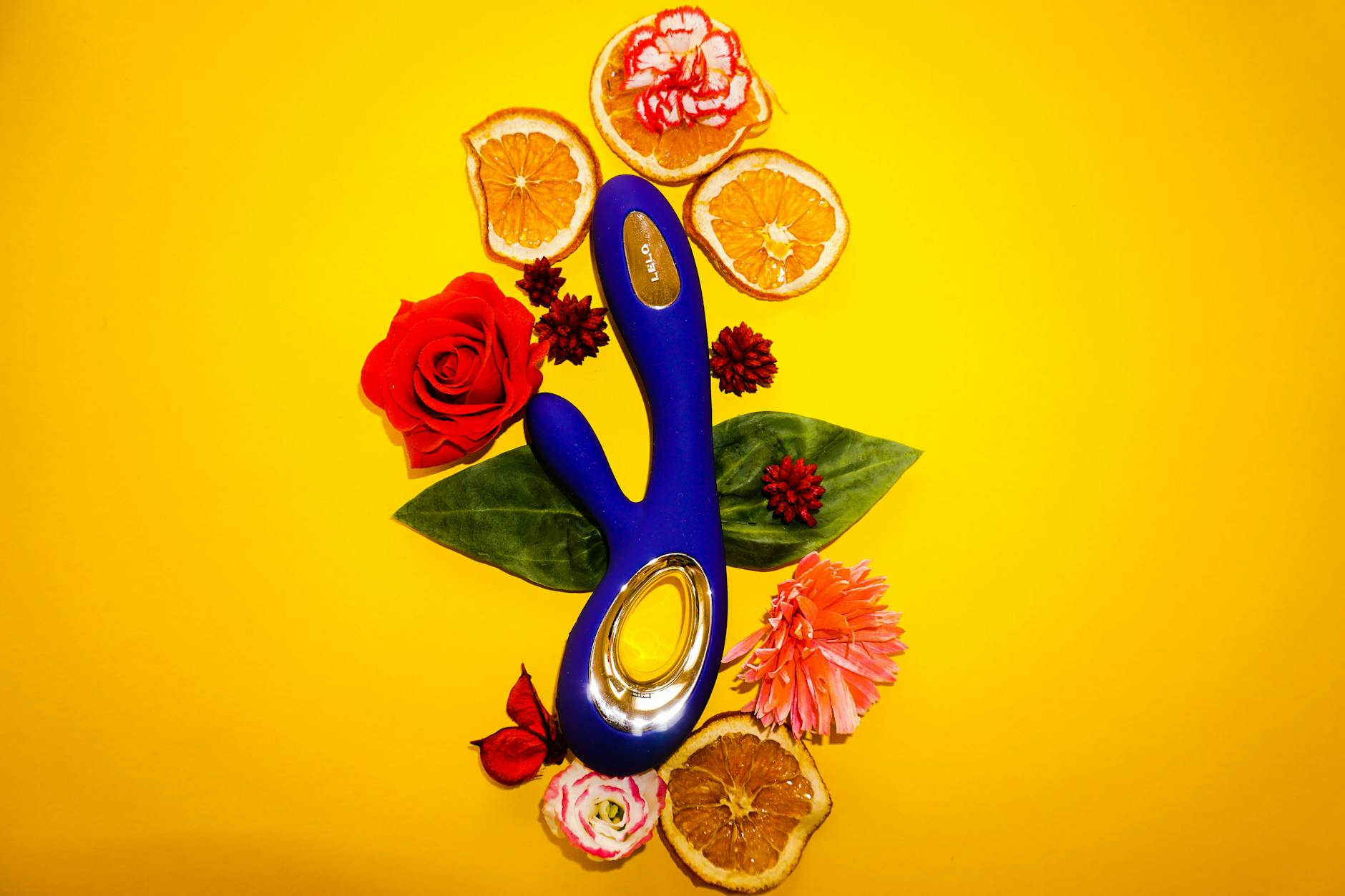
Photo by DRT.fm on Pexels
The pattern variability advantage
Most basic vibrators offer one thing: speed. You turn it up or down. That's it.
A lemon suction vibrator typically offers multiple pulse patterns. Some are steady waves. Others are rhythmic bursts. A few mimic natural patterns. This variety means you can find what your tissue needs on any given day.
Sensitive today? Use the gentlest pattern and the lowest setting. Want more intensity? Layer patterns or increase intensity gradually. Your body doesn't get trapped in a single stimulation mode. The variety actually keeps sensitivity alive because your nervous system stays engaged rather than habituated.
When to consider suction over traditional vibration
Three scenarios where lemon clitoral vibrators shine.
First: if you've experienced clitoral numbness or overstimulation with other toys. Suction-based stimulation is gentler by design. Most people who've had negative experiences with traditional vibrators find suction feels revelatory. It's not rough. It's not overwhelming. It just feels good.
Second: if your tissue sensitivity changes with your cycle or hormones. Estrogen affects tissue thickness and sensitivity. On low-estrogen days (or during certain parts of your cycle), direct vibration can feel uncomfortable. Suction adapts better to these changes because it doesn't rely on friction.
Third: if you want longer sessions without fatigue or rawness. Because suction distributes pressure across a wider area, you can use a lemon vibrator for extended time without the discomfort that sometimes comes with traditional vibrators.
For most people, the transition to suction feels immediately different. Not better or worse. Just a clearer path to what you actually want to feel.
The role of pressure and seal
One thing that catches people off guard with a lemon vibrator is how much the fit matters. Because suction requires a gentle seal, the toy needs to contact your skin in the right way. Too much pressure and it becomes uncomfortable. Too little and you don't get the suction effect.
But this isn't a flaw. It's actually an advantage. Because you're learning to find the exact pressure that feels best for your body right now. That proprioceptive feedback makes the whole experience more intentional. You're not just turning on a vibrator. You're calibrating it to your tissue.
This is why pairing a lemon clitoral vibrator with water-based lubricant helps. The lube creates a better seal and reduces any potential friction. It's a small adjustment that makes a big difference in how comfortable and effective the experience is.
Comparing suction to other gentler options
Okay so what about other "gentle" vibrators out there. Some are lower-speed, which helps. Some are softer silicone, which feels nicer against skin. But they're still using vibration as the primary stimulation method.
Suction is a fundamentally different approach. It's not vibration at all. It's air pulse technology. This means the comparison isn't really fair. A gentle traditional vibrator is still a vibrator. A lemon suction vibrator is operating in a completely different category.
If you're sensitive to vibration itself, suction is usually the answer. If you're just looking for a gentler speed, a lower-intensity vibrator might work fine.
Building sensitivity back after numbness
Here's something I see often. People spend years using high-intensity vibrators, and their tissue adapts by becoming less responsive. They think they've broken something. They haven't. They've just habituated to that specific type of stimulation.
Switching to a lemon vibrator can actually help rebuild sensitivity. Because the stimulation is different, your nervous system wakes up again. The first few sessions might feel less intense than you're used to. But stick with it. Within a week or two, most people notice that sensation sharpens. Pleasure returns. It feels new.
This is especially true if you pair the transition with a break from whatever toy you were using before. Even just a few days of rest can help your tissue reset.
Making the switch: what to expect
If you're used to traditional vibration, the first time you use a lemon clitoral vibrator might feel strange. The suction sensation is genuinely different. It can take a few sessions to find your rhythm and figure out the pressure that works.
Start with the gentlest pattern and lowest intensity. Let your body adjust. Try it at different times of day, in different moods. Notice what changes. You might find that the pressure you want in the morning is different than at night. That's normal. Your tissue's sensitivity genuinely fluctuates.
And don't skip the lubricant. Water-based lube makes suction work better and feel more comfortable. It's not an extra step. It's part of the experience.
Common concerns about suction vibrators
Some people worry that suction vibrators will leave marks. Gentle suction doesn't. You'd have to use a lot of pressure for that to happen, and at that point it wouldn't feel good anyway. Your body won't let you push too hard without feedback. The gentle seal is by design.
Others wonder if suction vibrators are quieter. Generally yes. Because there's no internal motor creating vibration, they're much more discreet. Worth noting if privacy matters in your setup.
One more thing. Suction vibrators need to stay charged. They use more battery than some basic vibrators. But most hold a charge for hours, so this isn't usually a practical limitation. Just something to keep in mind.
FAQ: Sensitive tissue and suction vibrators
Why do lemon vibrators feel better for sensitive skin than traditional vibrators?
Suction-based stimulation uses gentle air pulses instead of direct vibration. This approach reduces friction and distributes pressure across a wider area of tissue, which is gentler on delicate skin while delivering deeper, more sustained sensation. Traditional vibrators transmit vibration directly through the toy into your tissue, which can feel sharp and lead to numbness over time.
Can I use a lemon clitoral vibrator if I have vulvodynia or chronic pain?
Many people with vulvodynia find suction vibrators more tolerable than traditional vibrators because there's no direct friction. That said, vulvodynia affects everyone differently. What works beautifully for one person might not for another. Start with the gentlest pattern and lowest intensity, use plenty of lubricant, and listen to your body. If pain appears, stop. Consider talking to a pelvic floor specialist who can evaluate your specific situation.
How much pressure should I use with a lemon vibrator?
The pressure should feel comfortable and secure without being forced. You want enough seal for the suction to work, but not so much that it feels tight or uncomfortable. Think of it like a gentle cup rather than a firm grip. If your tissue starts to feel irritated, you're using too much pressure. Adjust and try again.
Will using a lemon vibrator reduce sensitivity even more if I'm already numb?
No. In fact, the opposite often happens. Because suction stimulation is fundamentally different from vibration, it can actually wake up sensation that's been numbed by years of traditional vibrator use. Many people notice that sensitivity returns within a week or two of switching to suction-based toys.
Do I need to use lubricant with a lemon vibrator?
Yes. Water-based lubricant helps create a better seal and reduces any potential friction. It's not optional. It's part of what makes the experience comfortable and effective. Apply enough that you feel a slick seal without it being dripping wet.
Can I use a lemon vibrator with a partner?
Absolutely. Some lemon vibrators are designed for partnered use. The suction sensation feels different for your partner too. It can be a gentle way to explore partnered stimulation, especially if you've had bad experiences with traditional vibrators in partnered contexts. The key is communication about pressure, patterns, and what feels good.
The bottom line
Sensitive tissue deserves a toy that actually works for it. A lemon clitoral vibrator is designed from the ground up to be gentler. Not less intense. Just gentler. The suction technology means you can have deeper, longer-lasting pleasure without the numbness, rawness, or overstimulation that sometimes comes with traditional vibration.
If you've struggled with other vibrators, this is worth trying. Your tissue might surprise you with how responsive it actually is when you use the right tool.
Have questions about whether a suction vibrator is right for your situation? Get in touch with our team. We're here to help you find exactly what works for your body.