Why Lemon Vibrators Feel Different After Starting Antidepressants
Let's be real. You started an antidepressant for your mental health. It worked. Your mood lifted, your anxiety quieted down, and you could finally breathe again. Then you tried to have an orgasm and it felt like watching a movie through frosted glass. Everything's there, but something's dampened.
This isn't weakness. It's not your fault. And you're not alone. Between 40 and 60% of people on SSRIs report some change in sexual response. Most doctors mention it in passing. Few explain what's actually happening or what you can do about it.
Here's what I want you to know: your medication is working correctly. Your body is responding exactly as chemistry predicts. And there are real, practical things you can do to reclaim pleasure without ditching the medication that's keeping you well.
How SSRIs and SNRIs change sensation
Antidepressants work by increasing serotonin (SSRIs like sertraline, paroxetine, fluoxetine) or both serotonin and norepinephrine (SNRIs like venlafaxine, duloxetine). They're incredibly effective at leveling out mood. But serotonin also has a role in sexual function that your prescriber might not have explained in detail.
High serotonin, paradoxically, suppresses sexual arousal. It calms everything down. That's great for anxiety. It's less great for your clitoris waking up.
What changes:
Arousal takes longer to build. Your body still has the same neural pathways for pleasure. But the signal travels slower. Where you used to feel a spark in 5 minutes, now it takes 15 or 20.
Sensation feels muffled. Touch that used to create a clear pleasure response now feels softer, more distant. Not painful, not numb exactly. More like you're experiencing pleasure through a layer of cotton.
Orgasm, if it comes, feels different. Flatter. Less urgent. Sometimes not worth the effort it took to get there.
Desire itself might lower. This is the part people struggle with most. You're not thinking about sex as much. That's not laziness. That's your brain chemistry.
Here's the thing nobody tells you: this is not permanent. It doesn't mean your sexuality is broken. It means your nervous system is adjusting to a new neurochemical baseline. And that baseline can shift.
Why lemon vibrators work better than you'd expect
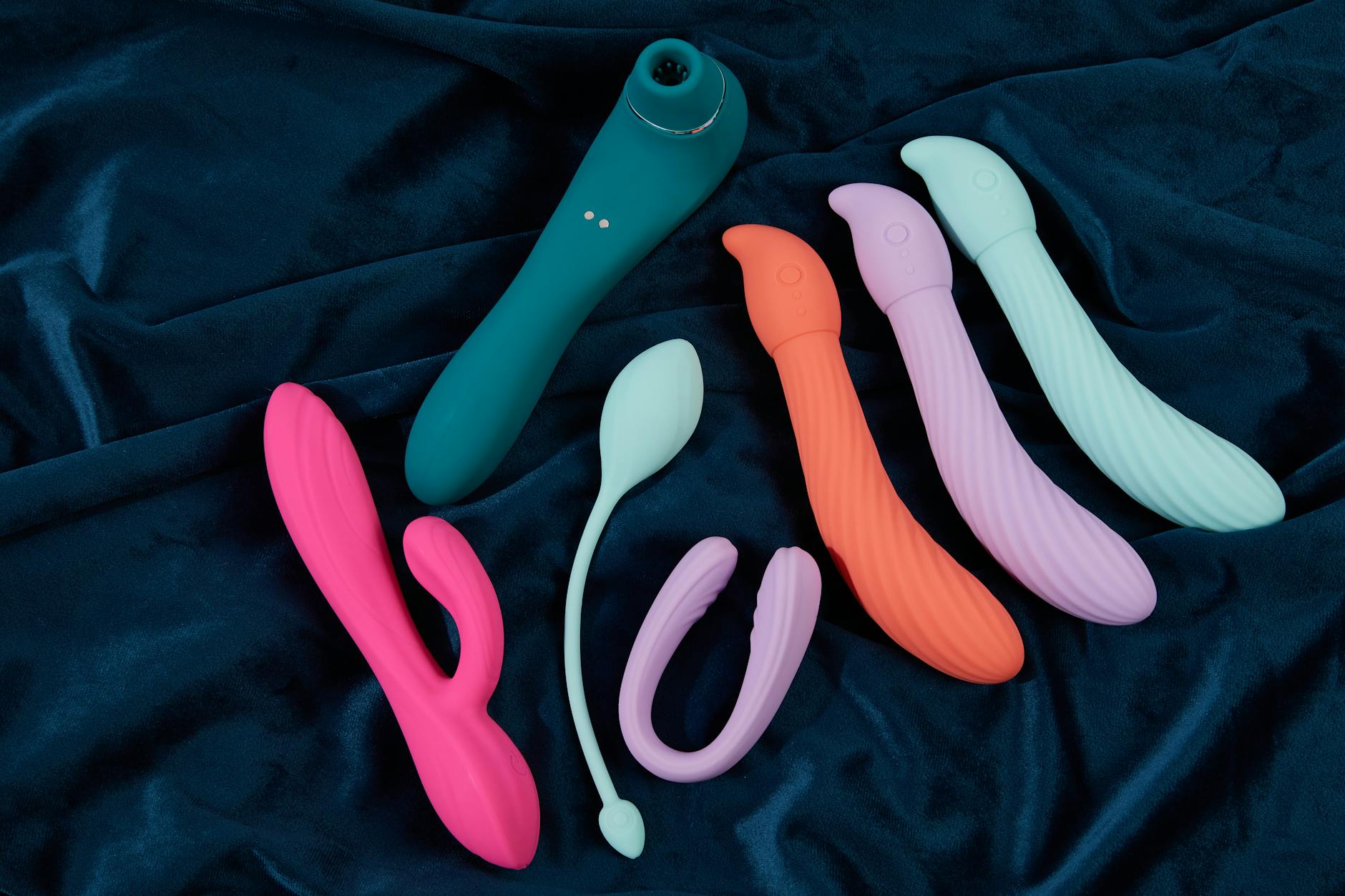
When sensation is muffled, you need stimulation with more precise intensity and faster frequency. That's exactly what a lemon clitoral vibrator, like the Lem, delivers.
Traditional vibrators tend to spread stimulation across a wider area. Lemon vibrators use suction. This creates concentrated, rapid-fire micro-movements directly on the clitoris without relying on the broad sensitivity that SSRIs suppress.
What this means practically:
You're bypassing the muffling effect. Suction stimulation activates different nerve pathways than pressure or broad vibration. Think of it as using a side door when the front door is slow to open.
Intensity is more achievable. Because the stimulation is concentrated, you reach meaningful sensation with less total energy. Fewer minutes on the clock. That matters when your nervous system is working against you.
The arousal curve flattens less. With oral sex or fingers, the sensation gradient is gradual. With suction, you can skip some of the slow-build phase and land closer to where you need to be.
I've worked with dozens of people on SSRIs who found that a lemon sucker vibrator was the difference between "sex is now a chore I'm bad at" and "okay, I can actually feel something." That's not a coincidence.
The practical adjustments that help most
Assuming you want to stay on your medication (and you probably should, given that it's treating your depression), here are four things that make a measurable difference:
1. Extend foreplay deliberately. Not as a romantic ideal, but as a logistical reality. Budget 20-30 minutes minimum before any kind of penetration or orgasm attempt. Your body needs the runway. Give it.
2. Use lube, even if you don't think you need it. Muffled sensation means less self-lubrication in some cases. External lube creates better glide and reduces friction that becomes uncomfortable when sensation is already dampened.
3. Switch your stimulation tool if you haven't already. If you were using a traditional vibrator, try a lemon clitoral vibrator. The suction design reaches sensation that broad vibration misses. Why Lemon Vibrators Work Better for Sensitive Tissue covers this in detail.
4. Find your sweet spot on the intensity dial. Start at setting 2 or 3, not setting 1. SSRIs suppress sensation in a way that means lower settings often feel like nothing. Your instinct will be to crank it up. Honor that instinct.
When to talk to your doctor
Here's where I have to be honest with you: sexual side effects from SSRIs are common enough that your doctor should take them seriously. But many doctors either downplay them ("it's probably psychological") or offer no solution beyond "switch medications."
Neither is fair to you.
Side effects that might warrant a conversation:
- Delayed orgasm lasting more than 4-6 weeks
- Complete loss of desire, not just diminishment
- Anorgasmia (inability to orgasm) after previously being able to
- Pain during sex that's new
Your doctor can:
Adjust your dose. Sometimes lower doses have fewer sexual side effects while still treating your depression effectively.
Add a second medication. Bupropion (Wellbutrin) is an antidepressant that actually increases sexual desire. Some doctors prescribe it alongside SSRIs to counteract sexual side effects.
Switch to a different SSRI. Sertraline tends to have fewer sexual side effects than paroxetine. Different medications affect different people differently. It's worth asking.
Take a "drug holiday." This is riskier and requires close monitoring, but some people take a planned break from medication on weekends. This is not a solution. It's a last resort, and only for specific situations. Talk to your doctor first.
The key conversation starter: "My depression is better, but my sexual function has changed. I want to feel good in both ways. What options do we have?"
The emotional piece nobody mentions
Here's what often happens underneath the physical stuff. You start an antidepressant, your mood lifts, and you expect everything to improve. But suddenly, sex feels broken. That's a grief in itself. You're mourning a version of your sexuality that's temporarily altered.
Some people feel shame. Some feel angry at the medication. Some withdraw from partners because trying feels pointless. All of this is normal. None of it means you should stop taking medication that's keeping you mentally healthy.
If you have a partner, this is worth naming together. Not as "I'm sorry my body's broken," but as "My medication works for my depression, and I'm adjusting to how it affects sensation. Here's what helps." Partners often want to problem-solve alongside you, but only if they understand what's actually happening.
FAQ
How long does it take for sexual side effects from antidepressants to show up?
Usually within the first 2-3 weeks of starting an SSRI or SNRI. Some people notice changes immediately. Others adjust over a few months and find sensation returns partially. There's no universal timeline, but if you're 6 weeks in and nothing has shifted, it's not going away on its own.
Can you use a lemon vibrator if you're on antidepressants?
Yes, absolutely. In fact, many people on SSRIs find that lemon clitoral vibrators work better than other stimulation methods because suction activates different nerve pathways than pressure-based vibration. The concentrated intensity can bypass some of the dampening effect antidepressants create.
Will switching antidepressants definitely fix sexual side effects?
Maybe. Different SSRIs affect different people differently. Sertraline tends to have fewer sexual side effects than paroxetine. But switching isn't automatic. Your depression might respond better to the original medication. Work with your doctor to weigh the tradeoff between mood stability and sexual function.
Is the muffled sensation permanent?
Not always. Some people adapt over 3-6 months. Others find that their body adjusts and sensation returns partially. Some find that adding strategies like longer foreplay and switching to lemon vibrators makes the muffled sensation feel manageable enough. What's permanent is the medication's effect on serotonin. What's flexible is how you work with your body.
What if my partner is frustrated about the changes?
That's a conversation, not a problem you caused. Your mental health matters. If a partner can't respect that antidepressants are non-negotiable for your wellbeing, that's a separate issue worth addressing. But most partners, when they understand what's happening, want to adapt alongside you. Some couples find that the slower pace actually creates more intimacy, not less.
Can you take something alongside an SSRI to boost sexual function?
Talk to your doctor about bupropion (Wellbutrin), which increases dopamine and can counteract SSRI sexual side effects. Some doctors also prescribe a stimulant or recommend trying a different SSRI altogether. Sildenafil (Viagra) has mixed results for people on SSRIs and works better for some bodies than others. None of these are guaranteed fixes, but they're worth exploring with your prescriber.
The bottom line
Your antidepressant is doing its job. Your sexual response is doing its job too. They're just not aligned right now. That's not a personal failure. That's neurochemistry.
You don't have to choose between mental health and sexual pleasure. You get both. It might take some patience, some experimentation, and a honest conversation with your doctor. It might mean switching to a tool like a lemon clitoral vibrator that works with your body's new baseline instead of against it.
Most importantly: you deserve to feel good. In your mind and in your body. These aren't competing values. They're both necessary.