The mismatch that kills couples' pleasure
One of you winces when your partner touches you. The other one feels almost nothing from the same touch. Neither of you is broken. You just have wildly different nervous systems, and generic vibrators make the problem worse, not better.
Here's the thing: most vibrators work by friction. They buzz at one frequency, and either it works for both of you or it doesn't. But lemon vibrators use suction, which changes everything. A suction-based lemon clitoral vibrator lets you dial intensity separately from stimulation type, which means you can actually enjoy pleasure together without one person white-knuckling through discomfort or the other checking their phone.
How sensitivity mismatch actually happens
Different nerve density, different hormone levels, different medical histories. One partner might have endometriosis or vulvodynia, making intense stimulation painful. The other might have lower natural lubrication or reduced sensation from medication. Some people are just wired hypersensitive. Others have always needed more.
The worst approach is splitting the difference. "Let's use medium intensity." Now neither of you is satisfied, both of you feel a little resentful, and you stop trying. Couples who get stuck here often assume the problem is desire or compatibility. Usually it's just the tool.
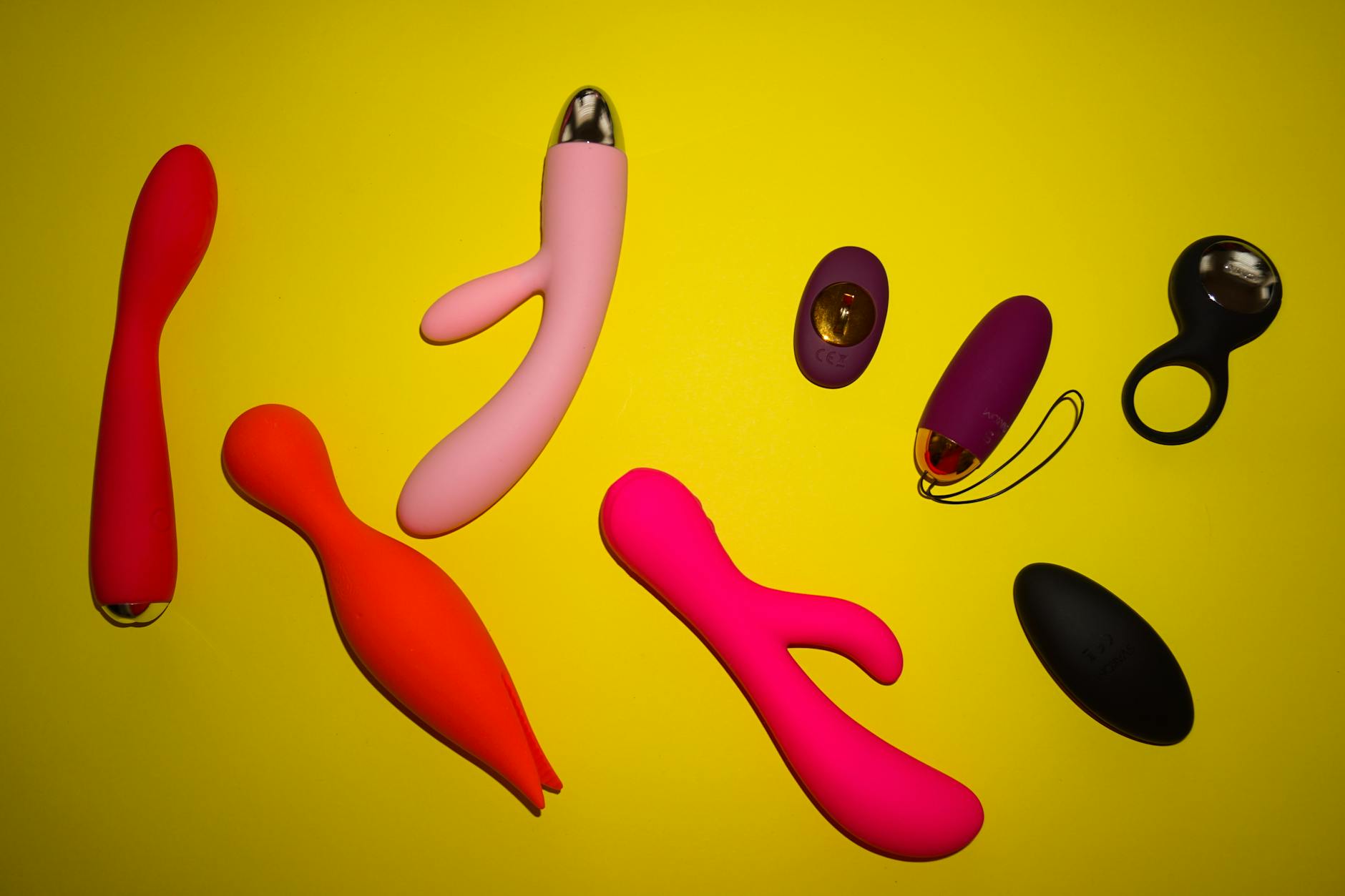
Photo by FounderTips on Pexels
Why suction works when vibration doesn't
Vibration is a percussion tool. It sends shockwaves through tissue. For someone with high sensitivity, that feels like too much, too fast. For someone with lower sensitivity, it might feel like a gentle buzz that doesn't build toward anything.
Suction is different. It creates a gentle compression and release cycle that stimulates without the same intensity spike. You can use the same lemon vibrator on setting 1 and it feels like a soft kiss. On setting 3, it feels like focused pressure. On setting 5, it's intense and immersive. The difference between settings feels qualitative, not just quantitative.
More importantly, suction lets the more sensitive partner get exactly what they need without the hypersensitive partner having to sit through something uncomfortable. You're not compromising on one tool. You're taking turns with one that actually works for both intensity ranges.
The settings strategy for mismatched partners
If you're the hypersensitive one: start on pattern 1 or 2. Suction at low settings creates a subtle rhythmic sensation without overwhelming your nerve endings. You get consistent, manageable pleasure without pain or numbness. Many hypersensitive partners report that lower settings of a lemon clitoral vibrator are actually more satisfying than trying to muscle through higher intensities on traditional vibrators.
If you're the person who needs more: patterns 4 and 5 are where the magic happens. The suction intensifies, the rhythm gets more pronounced, and you get real, sustained arousal. It's not about brute force. It's about the specific way suction stimulates the whole clitoral complex, not just the surface.
The key insight: you're not splitting a tool. You're each getting a version of it that actually works. That's the opposite of compromise.
Starting the conversation before you use it together
Most couples don't talk about sensitivity differences outside of sex, which means they don't talk about them during sex either. By the time toys come up, there's usually some shame or frustration baked in.
Start earlier. "I notice intensity affects me differently than it affects you. That's not a problem. It's just information. Would you want to explore something that works better for both of us?"
Then name the actual issue: "When we use the same tool at the same setting, one of us is uncomfortable. I'd rather we each get what actually feels good."
Then introduce lemon vibrators as a solution, not a last resort. "This type works with intensity levels instead of just on-off, which means we can actually both enjoy it."
When you introduce the toy, let each partner explore it solo first. You'll both learn what settings and patterns feel good to you without the pressure of performing for someone else. That matters hugely. Then, when you use it together, you're not guessing. You both know what works.
When to use it together and when to take turns
Some couples love simultaneous use. One partner uses the lemon clitoral vibrator while the other uses their hands, or they take turns in the same session. That's fine.
Other couples find that intimacy happens better when they're present for each other's pleasure without being the one on the receiving end. That's also fine. The tool isn't about always doing it at the same time. It's about removing the pressure that one person's body is broken because it responds differently.

Photo by cottonbro studio on Pexels
The rhythm that works best is whatever removes shame from the conversation. "You need more intensity" is neutral information, not a flaw. Lemon vibrators make that obvious in a way that generic tools don't.
Communication patterns that actually stick
Instead of "This doesn't feel like much to me," try "I need more intensity. That's not about you. My nervous system just works that way." The second one removes blame. It's about anatomy, not performance.
Instead of "That's too strong," try "Lower intensity feels better in my body. Let's find the setting that works for me."
Instead of avoiding the topic until resentment builds, check in monthly. "How are we doing with pleasure? Are the settings I'm using still working?" Bodies change. Medications change. Stress changes sensitivity. A conversation takes 10 minutes. Resentment builds for years.
When you're using a lemon vibrator together, narrate what you're feeling without judgment. "I like the rhythm at this setting" or "I'm going to try the next one up." That gives your partner real-time information instead of requiring them to guess whether you're enjoying yourself.
The physical setup that makes it easier
If you're both going to use the same device in one session, make sure you have extra water-based lubricant on hand. It keeps sensation consistent across both partners and prevents discomfort from friction. Silicone-based lubes can damage the toy, so stick with water-based.
If you have very different intensity needs, having two tools isn't a failure. It's practical. You're not "broken" as a couple because you each need something different. You're efficient.
Position matters too. If one partner is hypersensitive, lying down flat often feels less intense than being penetrated or having weight on top. If the other partner needs more stimulation, an upright position or positions that create more friction might feel better. Don't assume you need the same position just because you're together.
The real benefit: pleasure without performance
When you remove the pressure to fake it or suppress your response, something shifts. The hypersensitive partner stops bracing for pain. The person who needs more intensity stops feeling broken. You both get to experience actual arousal instead of managing each other's bodies.
That's the thing about sensitivity mismatch that most couples miss: it's not a sexual problem. It's a communication problem wearing a sexual disguise. The lemon vibrator is just the tool that lets you stop guessing and start talking.
If you haven't had this conversation yet, start here. Pick a calm moment, not during sex. Name what you've noticed. Ask what your partner actually needs. Then explore options together. That conversation alone often changes more than any toy ever could.
People also ask
Can we use the same lemon vibrator if we have different sensitivity levels?
Yes, and it's actually one of the lemon vibrator's biggest advantages. Because suction-based toys let you adjust intensity through multiple pattern and setting options, the hypersensitive partner can use settings 1-2 while the person who needs more can use settings 4-5. You're not splitting a tool. You're each getting a custom intensity.
What if my partner thinks vibrators are only for solo use?
Start the conversation outside the bedroom. Frame it as a tool that makes pleasure easier for both of you, not a sign that something's wrong. Many partners warm up to the idea once they understand that the lemon clitoral vibrator removes the pressure on both of you to perform. Show them the range of intensities. Let them try it solo first if they're nervous. Most people get over the mental block once they feel how different suction is from traditional vibration.
How do we know which intensity setting is right for each of us?
The only way is to try them individually, alone, with time to explore without pressure. Start at pattern 1, spend a few minutes with it, then move to pattern 2. Keep going until you find the sweet spot. You might land on setting 2 or setting 5. Both are totally normal. What matters is that you both know your number before you try using it together.
Does using a lemon vibrator together ever make sensitivity mismatch worse?
No, but using the wrong intensity can. If you use the hypersensitive partner's intensity on the person who needs more, they'll feel unsatisfied. If you use the high-intensity setting on the sensitive partner, they'll feel pain. The solution isn't to avoid the toy. It's to actually discuss what each person needs instead of guessing.
What if we still can't find a setting that works for both of us?
Then you're not meant to use it at the exact same time, and that's okay. Some couples do well taking turns in the same session. Others prefer solo use and report back to each other. Some use it together during foreplay and then switch to hand contact during penetration. There's no single right way. What matters is that you're talking about it and not white-knuckling through discomfort.
Is it weird if one of us doesn't want to use toys during partnered sex?
Not at all. The lemon vibrator is a tool, not a requirement. Some couples use it every time. Others use it sometimes. Others prefer it for solo play and keep partnered sex as is. What matters is that sensitivity mismatch isn't driving a wedge between you. If the vibrator helps with that, great. If you'd rather solve it differently, that's fine too.
The larger point
Sensitivity mismatch isn't a flaw in your partnership. It's just your nervous systems being different. The lemon clitoral vibrator works because suction lets you honor both of those differences without compromise. Start talking about what you each actually need, explore settings individually, and then use that information together. That conversation matters more than any toy ever will.
If you're stuck in the blame cycle, or if sensitivity differences are driving distance between you, consider reaching out to a relationship coach or therapist who specializes in couples and intimacy. Sometimes the biggest blocks are emotional, not mechanical.
Your pleasure matters. Both of your pleasure matters. A lemon vibrator is just a tool that makes that possible.