The medication that saves your life might be quieting your pleasure
Let's be real. Antidepressants work. They lift the weight that makes mornings impossible and give you back the energy to show up for your life. But somewhere between feeling functional again and feeling like yourself, a side effect creeps in that nobody warns you about clearly enough: your body stops responding the way it used to.
You might need way more stimulation to feel anything. Or you feel something, but it's distant, muted, like you're experiencing pleasure through a thick window. Or orgasms become harder to reach, or don't feel as intense when they do arrive. This happens to somewhere between 25 and 70 percent of people on SSRIs (depending on which study you read), and it's wildly under-discussed considering how common it is.
Here's what I want you to know first: this is a real side effect, it's not in your head, and it's fixable. Your nervous system hasn't broken. Your capacity for pleasure is still there. You just need to recalibrate how you access it.
Why antidepressants affect sensation in the first place
SSRIs like sertraline, paroxetine, and fluoxetine work by increasing serotonin in your brain. That's the part that lifts mood. But serotonin also regulates arousal, genital blood flow, and orgasmic response. When you flood your system with extra serotonin, your brain's pleasure pathways get... quieter. Your baseline arousal drops. It takes more input to trigger the same response.
Other antidepressants work differently but can have similar effects. Tricyclics and SNRIs have different chemical profiles, but plenty of people on them report the same thing: sensation that feels muffled.
The kicker is that your doctor might not bring this up unless you ask directly. It's not considered a "serious" side effect in the medical sense. But for your quality of life and your relationships, it absolutely matters. You deserve a treatment that works for your depression and doesn't erase your sexuality.
Before you add a vibrator, talk to your doctor
I'm saying this first because it matters. If your antidepressant is causing sensation loss, there are several legitimate options:
Timing adjustments. Some people find that taking their dose at night instead of the morning helps, because the concentration peaks while you're sleeping instead of during the day. It's a simple fix that works for some.
Dose adjustment. Sometimes a slightly lower dose maintains the mood benefit while reducing sexual side effects. This requires your doctor's input and careful monitoring.
Medication switches. Bupropion, for instance, rarely causes sexual side effects and sometimes improves sexual function. If your current medication was chosen for reasons other than sexual side effects, a switch might be worth exploring.
Augmentation. Adding a low dose of something like buspirone or a stimulant can sometimes counteract the sexual dampening without changing your main medication.
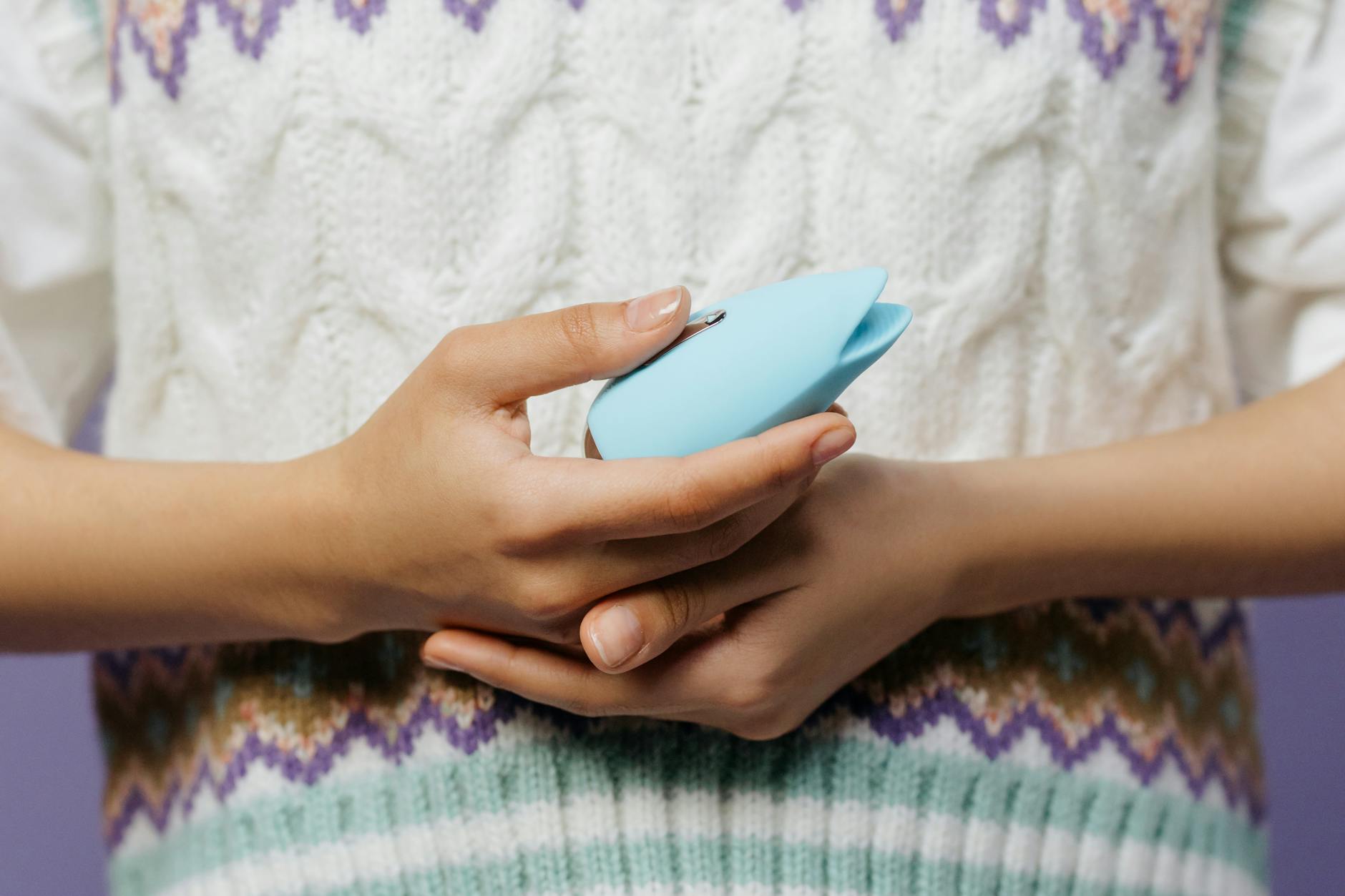
If none of those options work, or if you're stable on your current medication and don't want to change it, that's when tools like a lemon clitoral vibrator come in. The goal is to work with your doctor, not around them.
Why a clitoral vibrator helps when sensation feels muted
When your nervous system is quieted by antidepressants, direct manual stimulation often doesn't deliver enough input to trigger arousal or orgasm. A clitoral vibrator works differently than your fingers or a partner's touch because it uses rapid vibration to stimulate nerve endings in a way that bypasses some of the dampening effect.
Think of it like this. Your brain is turned down to level 3. Your fingers can give you stimulation at level 4. But a vibrator delivers sustained, rhythmic input at level 6 or 7, which is often enough to push through the serotonin dampening and reach your arousal threshold.
This isn't cheating. This isn't compensation for something broken. This is a tool that works with your body's current neurobiology, the same way glasses work with your eyes or a heating pad works with muscle tension.
How to start with a lemon clitoral vibrator
If you're new to vibrators, or if you've used them before and now find they're not working as well as they used to, here's what I recommend:
Start with a lower pattern first. Most people think they need the highest intensity immediately, but that's actually backwards when you're dealing with antidepressant-induced numbness. Begin on pattern one or two and gradually work up over several sessions. Your nervous system might need time to rebuild sensitivity.
Use lubrication. Wetness amplifies sensation. Even if you're producing lubrication, adding a water-based lube makes the vibrations feel more intense and pleasurable. It's a simple amplifier.
Spend 20-30 minutes exploring. When sensation is muted, you might need longer warm-up time. Don't rush. Put your phone away, give yourself permission to explore without a goal, and notice what patterns or intensities feel best.
Experiment with the angle. The clitoral head is more sensitive at the side and top than the direct center. Angle the vibrator slightly to find your sweet spot instead of pressing directly.
Track what works. After a few sessions, you might notice that patterns 3 and 5 feel better than 2 and 4, or that you prefer broader stimulation over concentrated. Write it down. This information is valuable.
The patience part that nobody talks about
Sensation doesn't always come roaring back overnight. If you've been on antidepressants for months or years, your nervous system got used to operating in that dampened state. Rebuilding responsiveness takes time, usually a few weeks of regular exploration.
This is frustrating. I know. But it's also why patience matters more than intensity. Your body isn't broken. It's just recalibrating.
During this time, managing expectations with your partner is worth doing. If you have one, let them know you're working through this side effect and that you're exploring new ways to access pleasure. Separate the tool from the partner. The vibrator isn't replacing them. It's helping you access sensation again so that partnered pleasure can happen more fully.
What happens if you still feel nothing
Some people rebuild sensation relatively quickly with a vibrator. Others find that even a lemon clitoral vibrator doesn't cut through the numbness enough. If that's you, please don't interpret it as failure. A few things to consider:
First, have a follow-up conversation with your prescriber. This might genuinely be the wrong medication for your body, or the dose might need adjustment. That's not weakness. That's information.
Second, sensation loss isn't purely neurological. Sometimes it's psychological too. If the antidepressant has worked well enough that your anxiety or depression has lifted significantly, you might have gotten used to not prioritizing pleasure. Therapy can help you reconnect with desire at a psychological level while the medical side sorts itself out.
Third, some people find that a different type of stimulation works better. A wand-style vibrator, or a clitoral suction toy like one of the models from Lemon Toy Store, delivers stimulation differently than a standard vibrator. If one approach isn't working, trying a different sensation pattern might help.
The bigger picture
Your sexuality is part of your health, not separate from it. An antidepressant that treats your depression while destroying your sexual function isn't a complete solution. It's a trade-off that might be worth making temporarily while you find adjustments, but it doesn't have to be permanent.
Take these steps: talk to your doctor about the side effect, explore your options for medication adjustments, and if you choose to use a vibrator like a lemon clitoral vibrator as part of rebuilding sensation, approach it with patience and curiosity. You're not broken. You're working with your body as it actually is right now.
People also ask
Can a lemon vibrator help if my antidepressant has completely numbed my orgasms?
Often yes, but not always. A clitoral vibrator delivers stronger stimulation than manual touch, which can push through antidepressant-induced numbness for many people. However, if nothing works, that's real information worth discussing with your prescriber. Sometimes switching medications or adjusting your dose is the actual answer.
How long does it take to rebuild sensation after starting a vibrator?
It varies widely. Some people feel differences within a few days or a week of regular use. Others take a few weeks. If you've been numb for months or years, expect a gradual return to responsiveness rather than a sudden switch. Your nervous system is recalibrating, and that takes time.
Should I tell my partner I'm using a vibrator to deal with antidepressant side effects?
If you have a partner you're intimate with, yes. Frame it as part of your wellness plan, not as a problem with them or the relationship. A conversation that goes "My antidepressant has dampened sensation, so I'm exploring tools to help me rebuild pleasure" is straightforward and invites them into the process rather than surprising them.
Can I use a lemon vibrator while still having partnered sex?
Absolutely. In fact, many people find that using a vibrator on their own helps them rebuild responsiveness, which then makes partnered sex feel better too. The two aren't mutually exclusive. Combining a vibrator with partner touch is a whole other conversation, but it's definitely possible and often pleasurable.
What if my doctor says sexual side effects are just part of the trade-off?
That's one perspective, but it doesn't have to be the final word. Ask about the options I mentioned: timing changes, dose adjustments, medication switches, or augmentation. If your current prescriber isn't interested in exploring alternatives, a second opinion from another psychiatrist or primary care doctor is worth getting. Your pleasure matters.
Are there antidepressants that don't affect sexual function?
Some are less likely to cause sexual side effects than others. Bupropion is known for rarely causing these issues. Some people on certain SNRIs or tricyclics experience fewer sexual side effects than those on SSRIs. This is a conversation for your doctor, but it's one worth having if your current medication is significantly impacting your sexual function.